Orlando Summer Tint Test: Ceramic vs. Dyed/Carbon + PPF (Temps & Glare)
Orlando Heat Lab: Real-World Testing in Peak Summer
Orlando drivers know that once May hits, the AC stays on. The sun feels stronger, the steering wheel gets hot, and a parked car can feel like an oven in just a short time. That is exactly when window tint and paint protection film start to really matter.
To see how different tint types perform in real life, we like to think in terms of a simple test: two similar vehicles, same color, same interior, same parking spot, and same driving route. One has a premium ceramic tint. The other has dyed or carbon tint at a similar visible light transmission level, so they look close in darkness. Up front, we add paint protection film, also known as PPF or Clear Bra, on one vehicle so the front bumper, hood, mirrors, and headlights get extra protection.
Why does this matter for everyday driving? Because cabin temperature, glare, UV exposure, and AC load all affect how you feel behind the wheel. Cooler glass means a cooler cabin. Less glare means less eye strain. Better UV blocking means less fading and cracking on your dash, seats, and trim. Less strain on your AC can support comfort and fuel use.
As a shop that focuses on automotive ceramic window tinting and paint protection film for Orlando drivers, we see how professional installation and film quality show up in real-world performance, not just on paper specs.
Side-by-Side Summer Test Setup
To keep a test fair, both vehicles need to be as close as possible. Same body style, same paint color, same interior, and similar age. That way, the only real differences come from the tint and PPF choices.
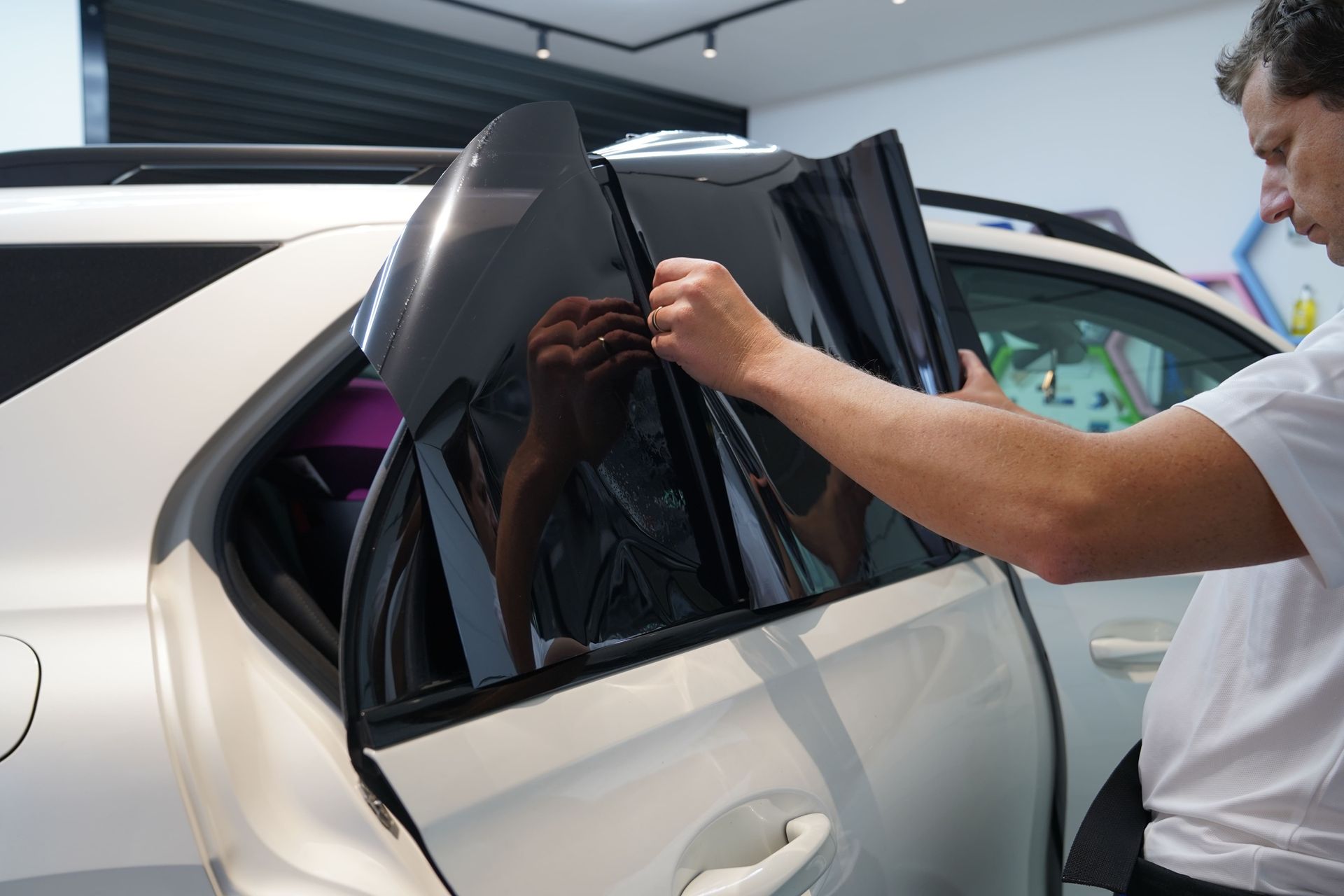
On one vehicle, we install a premium ceramic tint on all side and rear windows. On the other, we use a quality dyed or carbon tint. Both are set to similar visible light transmission levels, so to the eye they look almost the same in darkness. The goal is to compare film tech, not just shade.
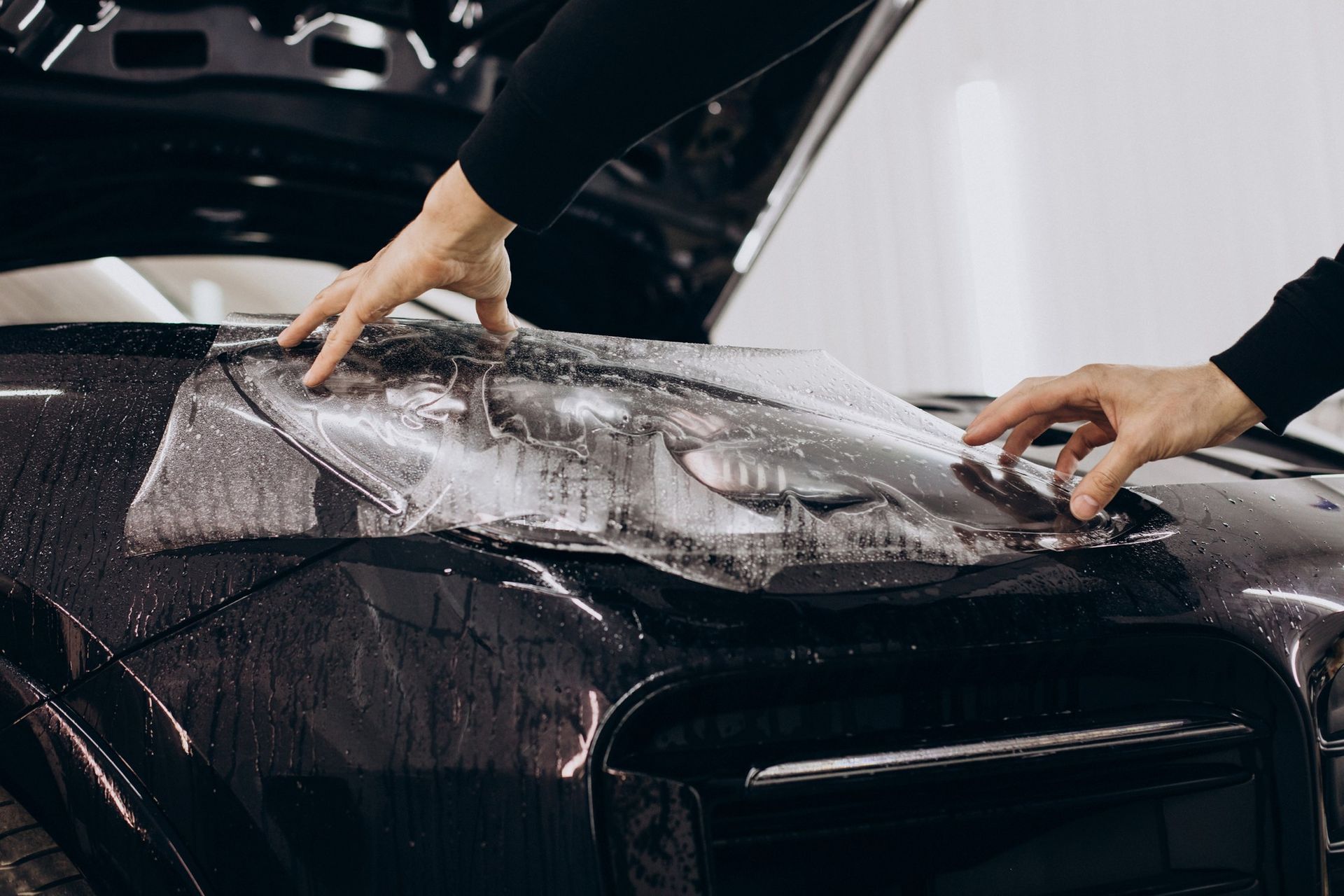
For PPF, we place Clear Bra on the parts that take the most abuse in Orlando driving: front bumper, leading edge of the hood, side mirrors, and headlights. These spots collect lovebugs, small rocks, sand, and road grime almost every day.
Then we measure:
- Cabin temperature, after both cars sit in full Florida sun for the same time, with digital thermometers in front and rear seats
- Glare at the driver seat, with a simple light meter and driver feedback on eye comfort
- UV levels at the dash, front seats, and door panels
- AC load, by tracking how long it takes to cool the cabin, what fan speed feels needed, and how often the AC cycles on the same drive route
We picture this test happening from May into early summer, when the sun angle is high and humidity is climbing. Those conditions are very close to what Central Florida drivers feel for long stretches of the year, so the results match daily life pretty well.
Ceramic Tint vs. Dyed/Carbon: Cabin Comfort by the Numbers
In tests like this, ceramic tint consistently holds down cabin heat better than dyed or carbon films at the same darkness level. When both vehicles sit in the same sun, the ceramic-tinted car tends to show noticeably lower interior readings on the thermometers.
That comes from how ceramic films deal with infrared energy and total solar energy. Dyed or carbon films can look dark, but much of the heat can still pass through. With ceramic films used in automotive ceramic window tinting, light can stay fairly clear while a lot of the solar energy is rejected before it reaches your seats and skin. So darker does not always mean cooler. The tech in the film matters.
Glare is another big win for ceramic. In the driver’s seat, fewer harsh reflections and less bright side light makes rush hour, mid-day errands, and sunrise or sunset commutes more comfortable. Drivers often notice less squinting and less eye strain. A good ceramic film is made to keep clear views and be friendly with signals for GPS, phones, and toll passes.
Then there is UV protection. Quality films, especially ceramic, can block a huge amount of UV rays. That helps slow fading and cracking of leather, vinyl, and plastics. Dashboards keep their color longer. Seats show fewer signs of early wear. For Orlando drivers who park outside at work, school, or attractions, that long-term protection can help the vehicle hold its look and value.
PPF and Clear Bra in the Florida Sun
Tint handles what comes through the glass. PPF handles what hits the paint. In Central Florida, that combination makes a lot of sense.
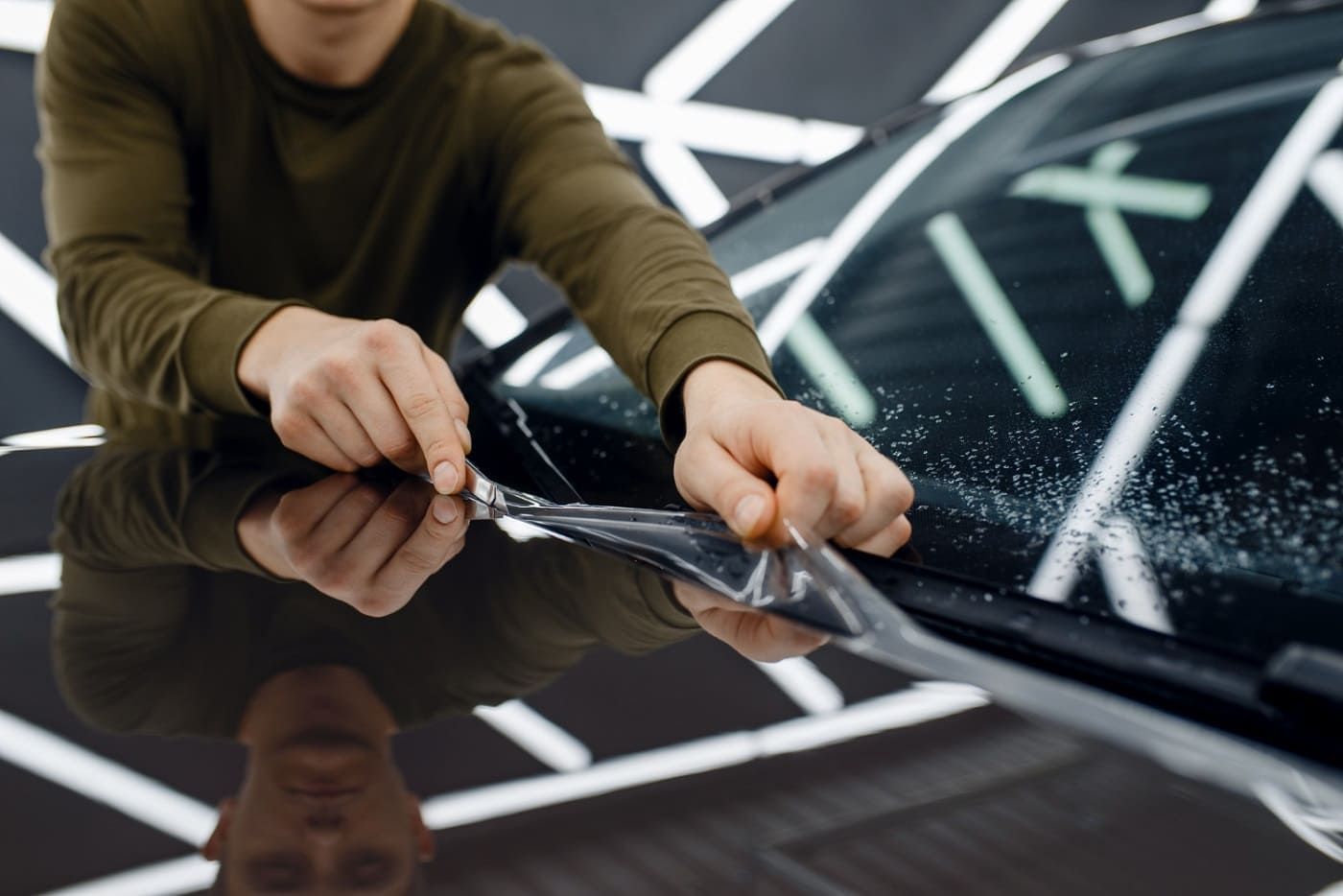
Paint protection film creates a clear barrier that can help absorb rock chips, sand blast from highways, and the daily attack of lovebugs. Many quality films have a self-healing top coat that can soften the look of small swirls and light scratches when the surface warms up in the sun.
Florida sun is strong, and it works on clear coat all day. Without protection, bumpers and hoods can start to show dull spots, fading, and rough patches faster than most people expect. Add afternoon storms, standing water, and road debris, and the front end takes a beating.
In side-by-side comparisons, the PPF-covered front end tends to look cleaner and newer. Bugs wipe off easier. The gloss stays deeper. When paired with ceramic tint, you get a full setup: cooler interior, protected surfaces inside, and paint outside that fights off chips, stains, and UV better over time.
Florida Legal Limits and Buyer’s Checklist
Tint laws in Florida are specific about how dark you can go on different windows. There are rules for front side windows, rear side windows, and the rear windshield, plus a limit on how deep you can run a windshield visor strip. Those limits focus on visible light transmission so police can still see inside for safety.
Matching the right shades across your doors and rear glass is about both style and staying on the right side of the law. A professional shop can walk you through options that keep you compliant and still give you the comfort you want.
When you compare tint films for Orlando heat, focus on more than just how dark it looks. Use a simple checklist:
- VLT: how much light passes through
- TSER: how much total solar energy is rejected
- IR rejection: how well the film deals with infrared heat
- UV rejection: for skin and interior protection
- Warranty: coverage for bubbling, peeling, color change, and fading
In our climate, good ceramic films with strong TSER and IR numbers often feel cooler than a cheaper dark tint. That is a key reason many drivers choose automotive ceramic window tinting when they experience Florida summers.
For PPF or Clear Bra, use this checklist:
- A self-healing top coat
- Stain resistance for bugs, sap, and droppings
- A strong manufacturer warranty
- Smart coverage patterns like full front clip and other high-impact zones
Professional installation matters a lot for both tint and PPF. Clean edges, tight film on curved glass, and dust control are hard to get without the right tools and space, especially with our humidity and pollen. Poor installation can create gaps, bubbles, or edges that collect dirt.
Drive Into Summer Ready
As Orlando moves deeper into the long, bright days of the year, every degree inside your cabin matters. Real-world testing shows ceramic tint can support lower interior temps, less glare, better UV blocking, and lighter AC load compared to dyed or carbon films at similar darkness. Add PPF or Clear Bra, and the front of your vehicle gets an extra layer against chips, stains, and sun damage.
At Winter Park Tint & Paint Protection, we focus on ceramic tint and paint protection film for drivers across the Orlando area. We work to match each vehicle and driving style with film setups that balance comfort, style, and long-term protection, so your car feels better to drive and looks sharp through many summers to come.
Upgrade Comfort, Style, And Protection In One Simple Step
If you are ready to reduce glare, protect your interior, and keep your car cooler, our team at
Winter Park Tint & Paint Protection is here to help. Whether you are exploring
automotive ceramic window tinting options or need guidance on the best shade for your vehicle, we will walk you through every detail.
Schedule your appointment today so we can get your car looking better and feeling more comfortable on every drive.