What Happens During Ceramic Window Tint Installation in Winter Park
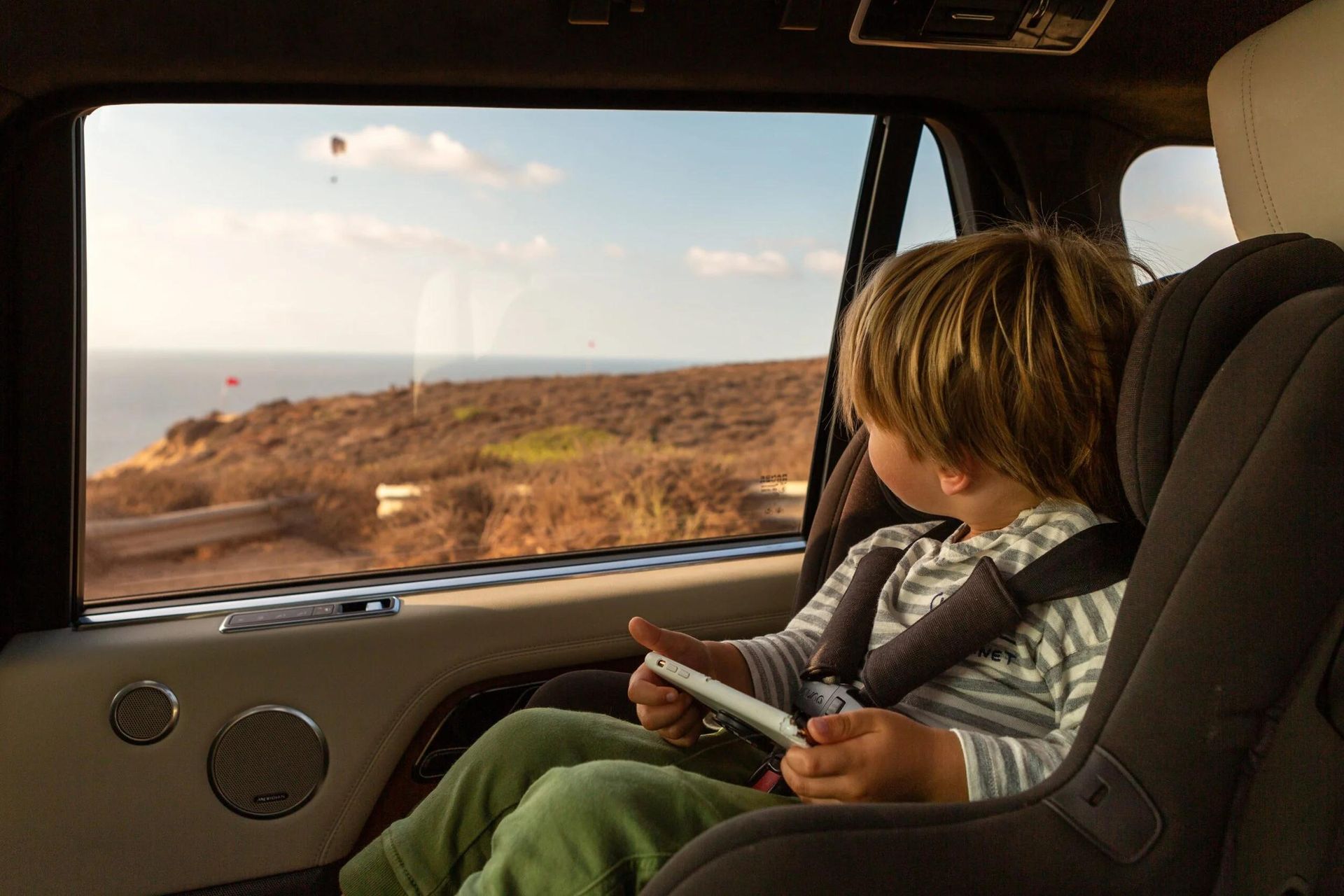
Step Inside a Cooler, Safer Ride in Winter Park
Ceramic window tint installation is one of the most effective upgrades you can do for your car in Central Florida. It helps keep your cabin cooler, cuts harsh glare, and protects your skin and interior from strong sunlight while you drive.
By late September around Winter Park, the sun still feels intense on your daily commute. You may have the AC blowing on high, sunglasses on, and still feel that hot, sticky heat soaking through the glass. Over time, that same sunlight can fade your seats, dry out your dashboard, and make long drives on I-4 or around Orlando feel tiring and uncomfortable.
Ceramic tint gives you a smarter way to fight that heat and light. In this post, we walk through what actually happens during a professional ceramic window tint installation, so you know what to expect when you bring your vehicle to a local shop and why the process matters for long-term results.
How Ceramic Tint Works to Beat Florida Heat
Ceramic window film is built with tiny nano-ceramic particles inside the layers of the film. These particles are designed to block a lot of the sun’s infrared heat and ultraviolet rays, while still letting visible light through the glass.
That means you can:
- Cut down heat coming through the glass
- Reduce UV exposure on skin and interior surfaces
- Soften glare without making your windows too dark
Ceramic tint is different from standard dyed film. Dyed film mainly absorbs light to make the glass darker, but it does not handle heat and fading as well in strong sun. Metalized film can reflect heat, but it may interfere with signals from GPS, phones, and other electronics.
With ceramic film, you get:
- Strong heat rejection without needing a mirror-like finish
- Stable color that is less likely to turn purple or cloudy over time
- Signal-friendly performance for modern vehicles with lots of tech
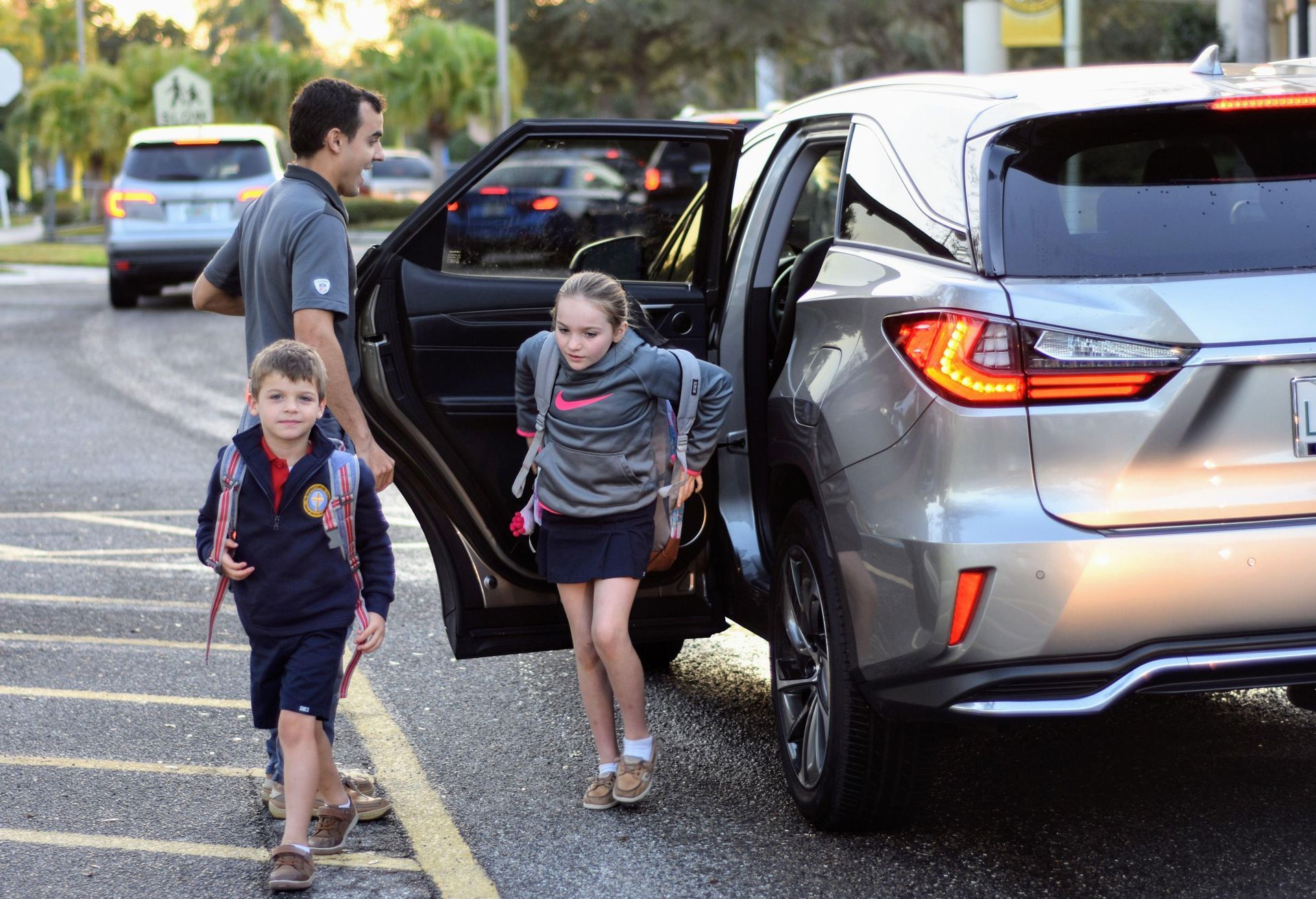
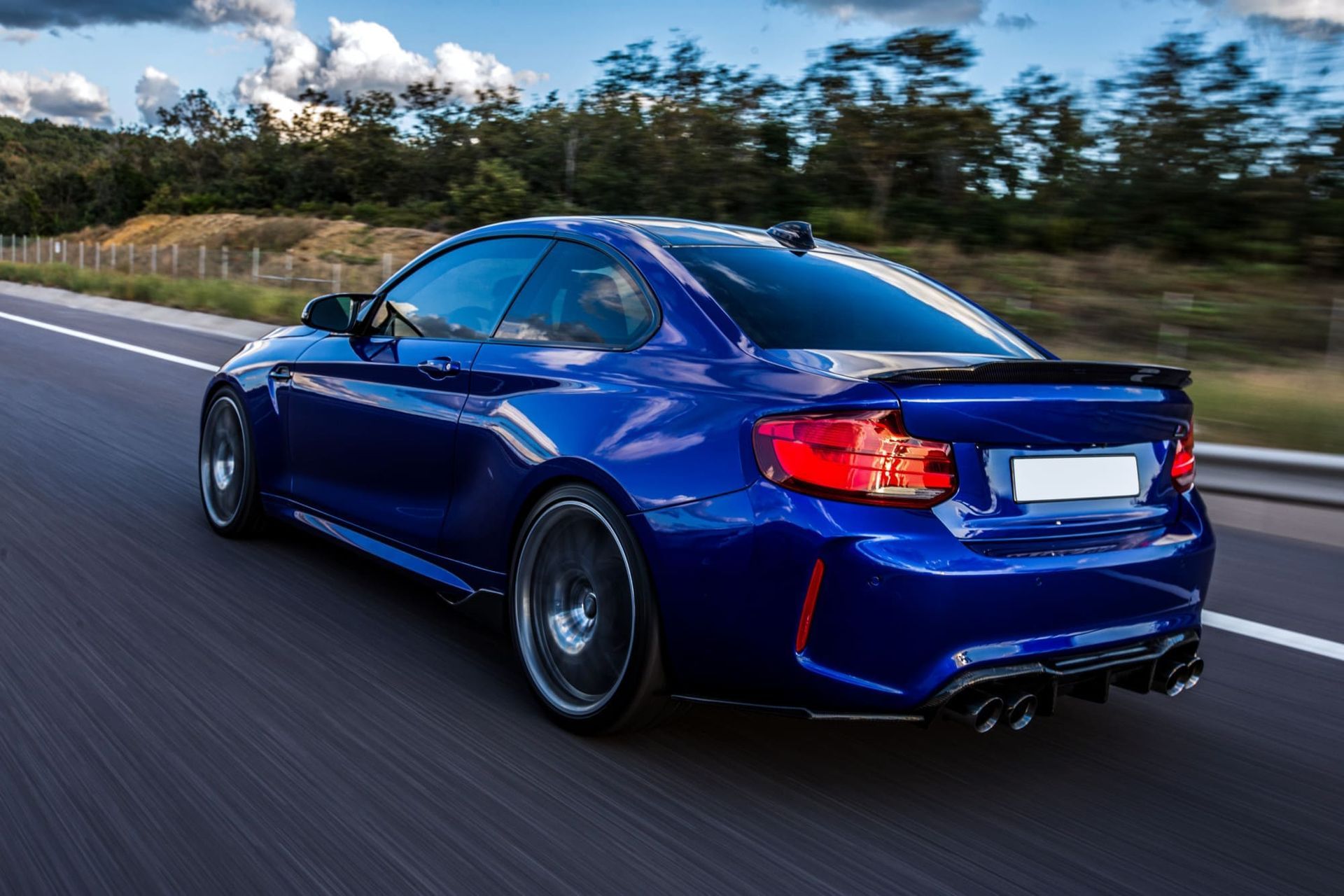
In everyday driving around Winter Park and Orlando, that means your dashboard, seats, and electronics get more protection from UV-related wear, and your skin gets less direct exposure when you are stuck in slow traffic or sitting in the school pickup line.
Preparing Your Vehicle for Flawless Results
A smooth ceramic window tint installation starts before the film ever touches the glass. The first step is a quick check-in and review of your goals. A professional team will go over:
- Which ceramic film series they offer
- Shade levels that follow Florida window tint laws
- Any special features on your vehicle, like cameras, sensors, or existing tint
Once the plan is set, prep work begins. This part is not very exciting to watch, but it can make or break the final look. The technicians will:
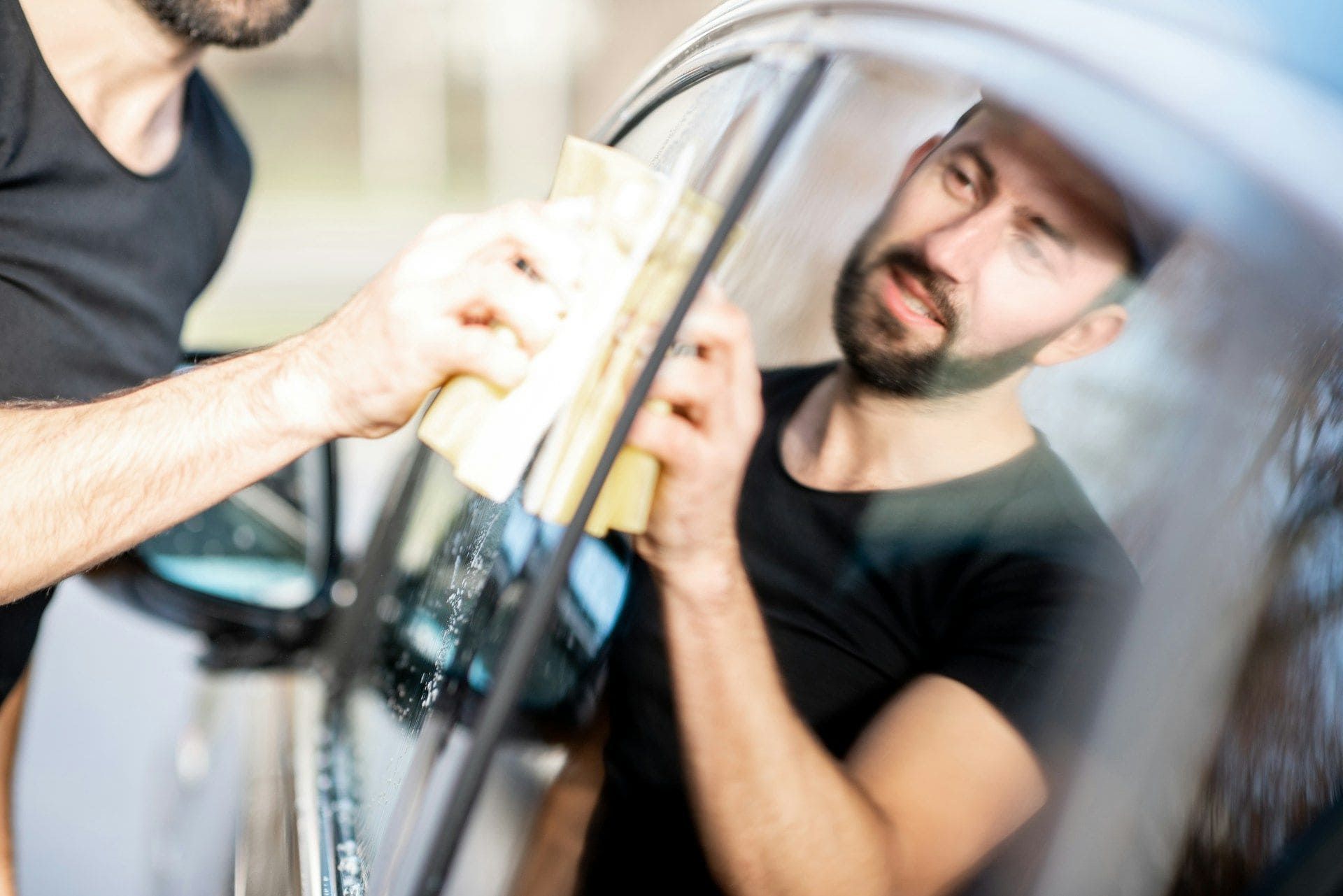
- Clean the glass inside and outside with professional tools
- Remove old tint if needed, including glue residue from the glass
- Cover or tape nearby panels to help protect door cards, trim, and electronics from water spray
Getting the glass as clean as possible is one of the most important steps. Even tiny dust specks, lint, or leftover adhesive can show up as small bumps once the film is in place. Proper prep helps the film stick evenly and look smoother, which is especially important in Florida where heat, sun, and humidity can test any weak spots.
Inside the Precision Tint Application Process
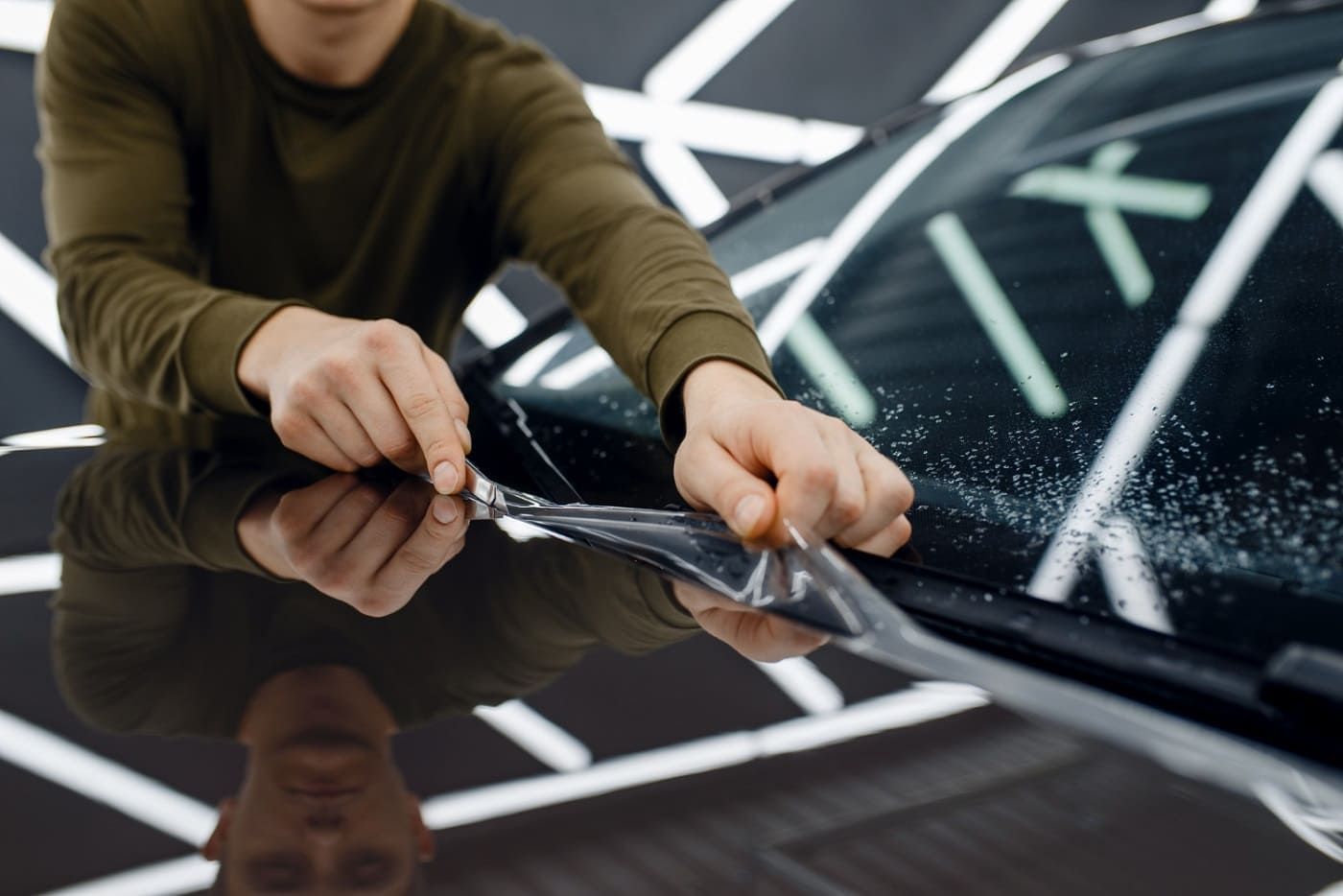
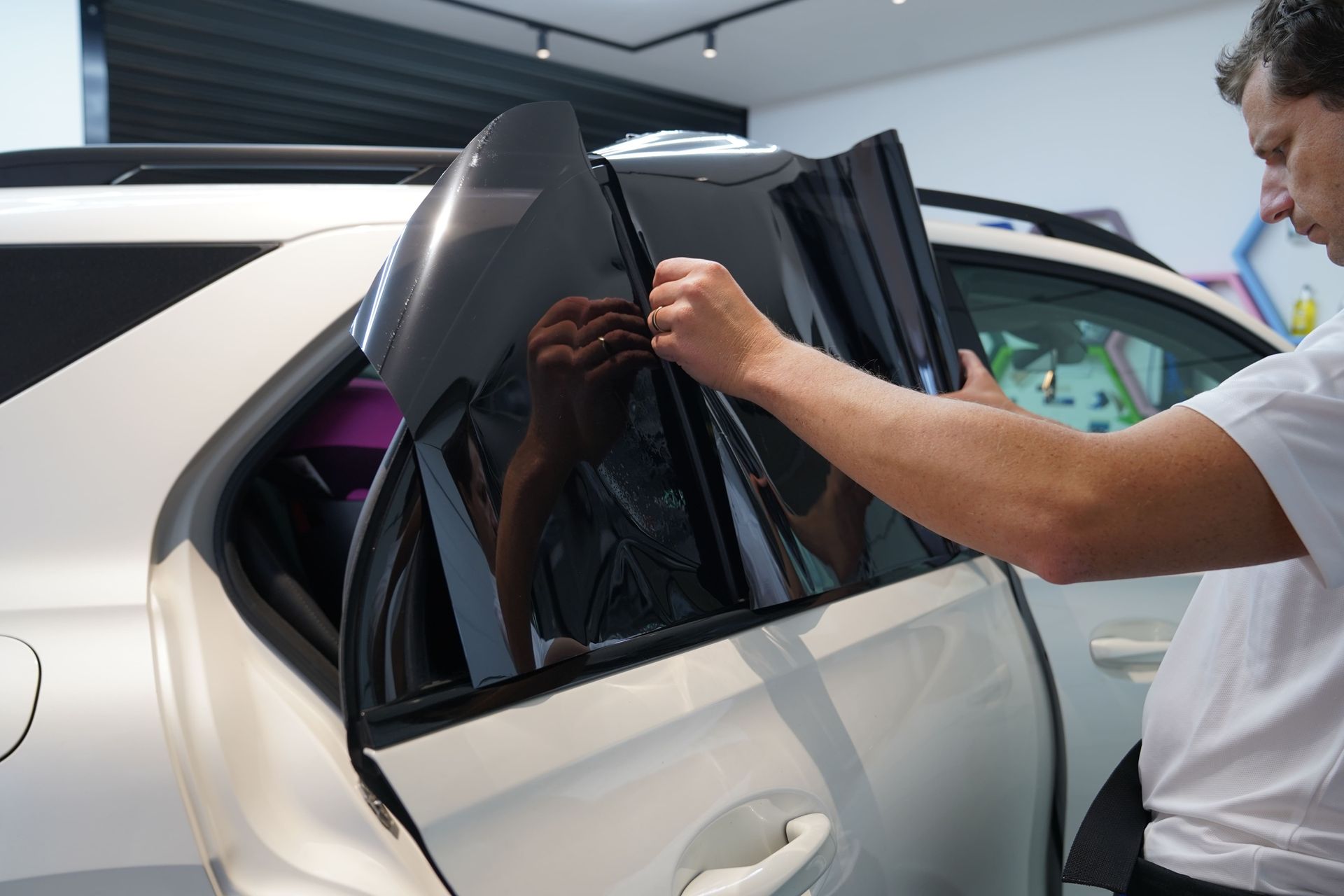
After prep, the ceramic film is cut and shaped to match your windows. Many shops use patterns that are either pre-designed or computer cut, then fine-tuned by hand. On more curved glass, like back windows and certain SUV or hatchback glass, the film is heat-shaped to follow the curve of the glass without wrinkles.
The actual installation usually goes like this:
- A slip solution is sprayed on the glass so the film can slide into place
- The film is laid against the inside of the glass and carefully positioned
- A squeegee is used to push water and air out from under the film
- Edges are trimmed where needed so they sit neat and even with the glass
The installer will check for:
- Straight edges and even borders
- Light gaps near the top or sides of the glass
- Any visible contaminants that might need attention right away
All of this is done inside a controlled bay with good lighting and a clean environment. That helps reduce dust and lets the technician see tiny bubbles or edges that might be easy to miss outdoors. The goal is a clean, factory-like look that still performs under the Orlando sun and regular afternoon rain showers.
Curing, Aftercare, and What You Will Notice First
Once the film is on, it is not fully set yet. The adhesive needs time to cure as the remaining moisture works its way out. In warm, humid Central Florida weather, the curing period can feel quicker on hot, sunny days, but it still takes some time.
During the curing phase, it is normal to see:
- A light hazy look in some spots
- Small moisture pockets that look like tiny bubbles
- Slight cloudiness that slowly clears up
What is not normal are large particles, big creases, or areas lifting at the edges. Those signs should be checked by the installer.
You will also get simple care instructions, such as:
- Wait a short period before rolling windows down
- Use soft microfiber towels for cleaning
- Stick with gentle, ammonia-free glass cleaners
- Avoid scraping near film edges with sharp tools
Right away, you will likely notice your cabin feels cooler and the light inside your car is softer. Morning and late afternoon drives can feel more comfortable because glare is reduced and your AC may not need to work as hard to keep up. Over time, many drivers also notice that their interior surfaces keep their color and finish longer, even with a lot of daily use around Winter Park.
Why a Professional Ceramic Tint Install Matters in Winter Park
Having a trained, local team handle your ceramic window tint installation gives you more than just a nicer look. It gives you film options that are suited for our strong Florida sun and a proper install that is built to last.
A professional shop that works with a wide range of vehicles can help with:
- Daily drivers, work vehicles, and family SUVs
- Luxury models with complex curves and sensitive interiors
- EVs and newer vehicles packed with screens, sensors, and cameras
They can also help match window tint with paint protection film, so your glass, paint, and high-impact areas all get an added layer of defense at the same time.
Common questions come up around night driving, Florida legal limits, and how the tint affects phones, GPS, and other electronics. Experienced installers know how to balance shade levels for comfort and visibility, and how to pick ceramic films that work well with today’s tech-heavy cars.
When you choose Winter Park Tint & Paint Protection as your installer, you are working with a local LLumar SelectPro dealer that focuses on premium automotive film solutions for this area. That combination of high-quality film and skilled installation helps your ceramic tint perform well through long commutes, weekend trips, and plenty of sunny days on Central Florida roads.
Get Started With Your Project Today
If you are ready to improve comfort, privacy, and energy efficiency in your home, we are here to help you choose the ideal film for your windows. Our team at Winter Park Tint & Paint Protection provides professional
ceramic window tint installation tailored to your space and goals. Reach out today so we can answer your questions, walk you through options, and schedule a convenient appointment. Let us help you create a cooler, more comfortable home environment that looks great and performs even better.