Why Fresh Paint Repairs Need a PPF Installation Timing Plan
Protect Your Freshly Repaired Finish From Day One
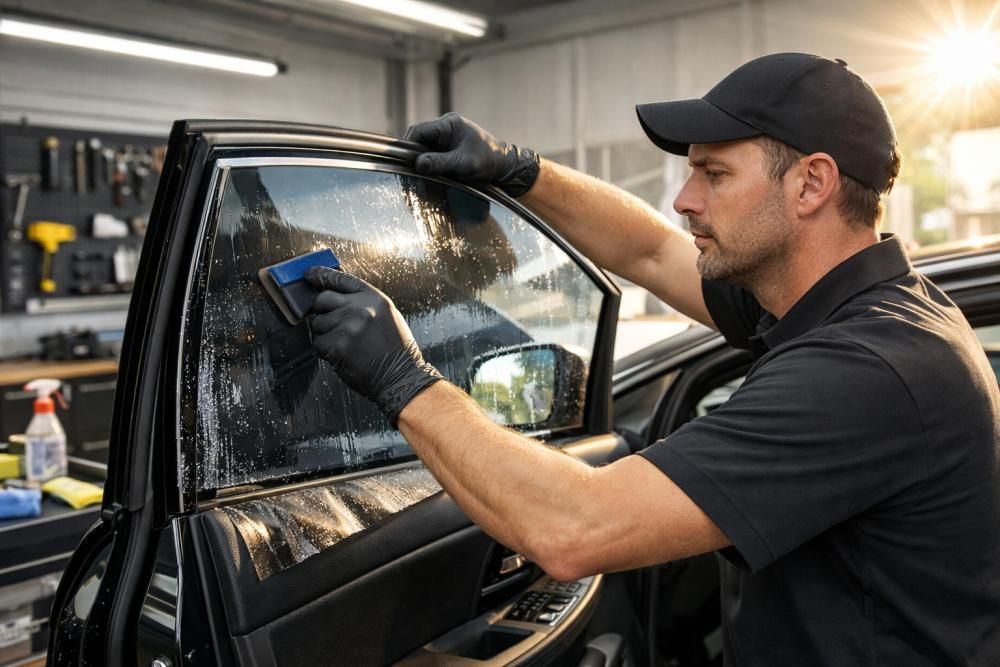
A paint repair can make your vehicle look whole again, but the refinished area may need special care before paint protection film installation. PPF is a clear, durable film designed to help defend painted surfaces from road debris, bug acids, stains, and everyday wear.
Timing matters just as much as film quality. Applying film too soon may interfere with the curing process, while waiting too long can leave a fresh repair exposed during regular driving in Winter Park. We can help you coordinate your body shop’s repair timeline with a thoughtful protection plan.
Why Fresh Repair Paint Needs Time to Stabilize
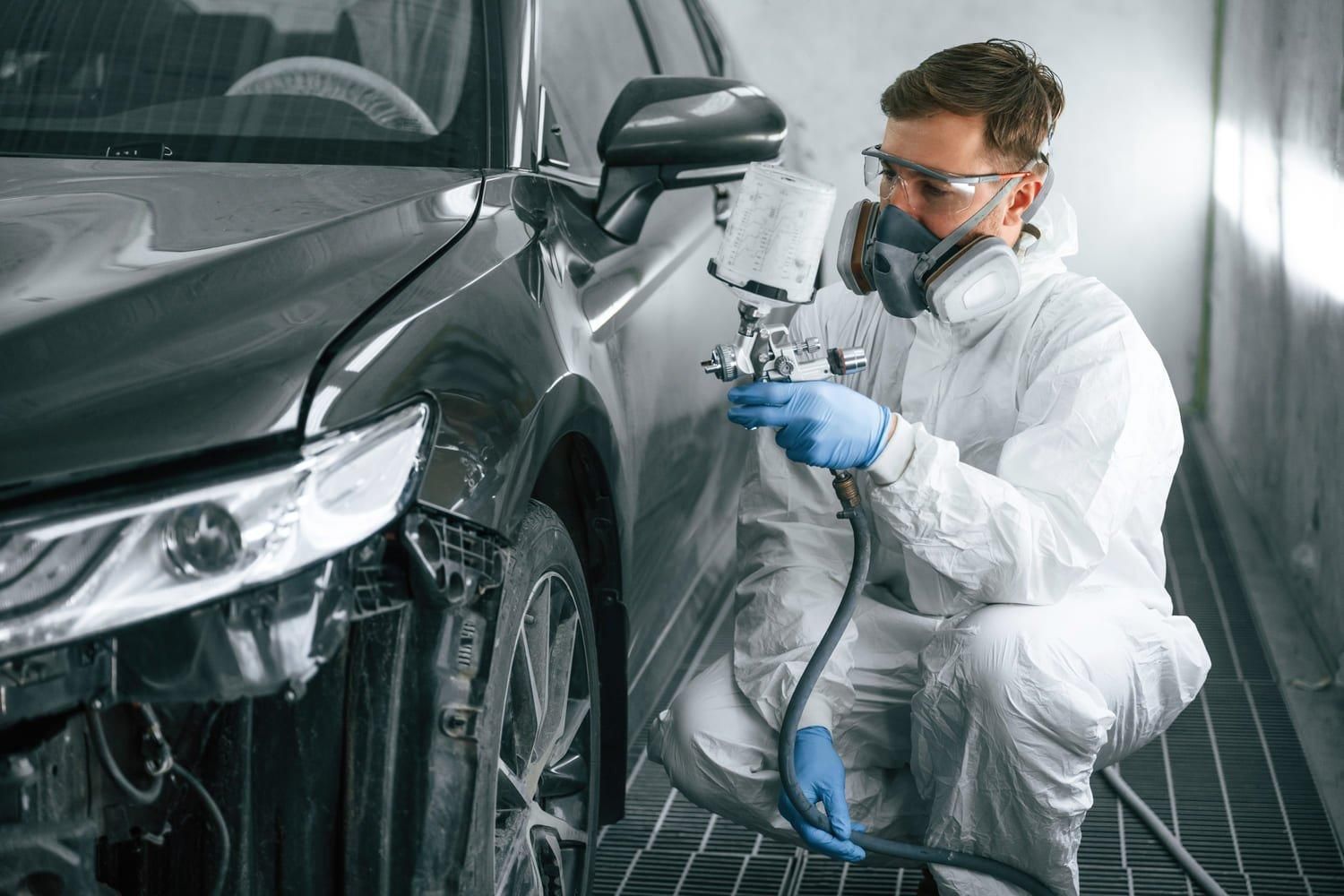
Factory paint and repaired paint are not always in the same condition. During a repair, a body shop may use primer, basecoat, clearcoat, blending techniques, and heat-assisted drying. Each of those steps can affect how long a panel needs before it is ready for film.
Fresh paint can continue releasing solvents as it hardens. If PPF goes on before that process is complete, the film may face bonding concerns, trapped moisture, or visible imperfections beneath the surface. Since the film is clear, even a small issue can be easier to notice once coverage is installed.
There is no single waiting period that fits every repair. We recommend getting curing guidance directly from the body shop that completed the work. Their recommendation should account for:
- The paint system used on the repair
- Whether the panel was spot repaired, blended, or fully repainted
- The shop’s drying or baking process
- How the vehicle was stored after refinishing
Once we know the repair shop’s guidance, we can help plan the right time for paint protection film installation without rushing the new finish.
Match Film Coverage to the Repair
The size and location of the repair should shape the PPF plan. A small bumper repaint may call for a different approach than a full hood respray, a door repair, or a blended fender. Rather than treating every repair the same way, we look at the panel itself, your driving habits, and the areas that face the most wear.
Front-facing panels are often exposed to gravel, insects, road grime, and other debris. Lower areas can also take a beating from loose material kicked up by other vehicles. Depending on the condition of the vehicle, we may discuss coverage for areas such as:
- Front bumpers
- Hoods and front fenders
- Mirror caps
- Rocker panels
- Door edges
Communication before the repair is finished can make the process smoother. When the body shop, vehicle owner, and installer understand the curing recommendation and planned coverage, it is easier to choose an installation date that supports a clean final result.
November Driving Conditions Still Matter
November is often a popular time for appearance upgrades and repair planning in Central Florida. The calendar may bring holiday travel, more errands, and longer drives around Orlando and Orange County, which can add more exposure for a recently repaired panel.
Sunshine, humidity, afternoon rain, and changing temperatures can still affect how a vehicle is stored and cared for after refinishing. During the recommended curing period, it helps to limit avoidable contact with contaminants. Tree sap, bird droppings, road grime, and construction dust can all create headaches when they sit on a fresh surface.
We also suggest thinking ahead before taking a newly repaired vehicle on a long highway trip. Highway miles can mean more bugs, loose gravel, and debris striking the front end. Planning the repair and protection schedule before holiday travel gives the paint time to stabilize before film is applied.
Prepare Repaired Panels for a Flawless Film Bond
Once the body shop confirms that the repaired area has cured, the panel should be inspected closely before PPF is installed. A quality repair deserves a careful final look. Paint texture, overspray, dust nibs, sanding marks, trim alignment, and other small details should be addressed before clear film goes over the surface.
PPF preserves the look of a quality finish, but it cannot hide every issue underneath it. Because the material is transparent, flaws in the paint may still show through. We inspect the panel condition and discuss realistic expectations before beginning an installation.
Film selection also matters. We install premium LLumar and FormulaOne films, then help match coverage to the vehicle’s current condition and the areas most likely to see daily wear. The goal is not to apply the same package to every vehicle. It is to create coverage that makes sense for the repair and the road ahead.
Build Your PPF Plan Before Returning to the Road
If body work, repainting, or collision repairs are on your schedule, ask the repair shop about its paint-curing requirements early in the process. That guidance gives everyone a clearer path forward and helps avoid applying protective film before the finish is ready.
A coordinated plan protects the repaired area without forcing the installation timeline. Once the paint has had the recommended time to cure and the panel has been inspected, the vehicle is in a much better position for a clean, lasting film application.
Protect Your Finish With Expert Planning
At
Winter Park Tint & Paint Protection, we help you choose the right next step for your vehicle’s finish.
Schedule your paint protection film installation with our team for careful preparation and a finish-focused approach. We will assess your vehicle’s needs and help protect the areas that matter most.