Orlando Heat and UV: Ceramic Tint vs. PPF for Parked Cars
Orlando Parking Lot Survival: Why Your Car Needs More Than Just
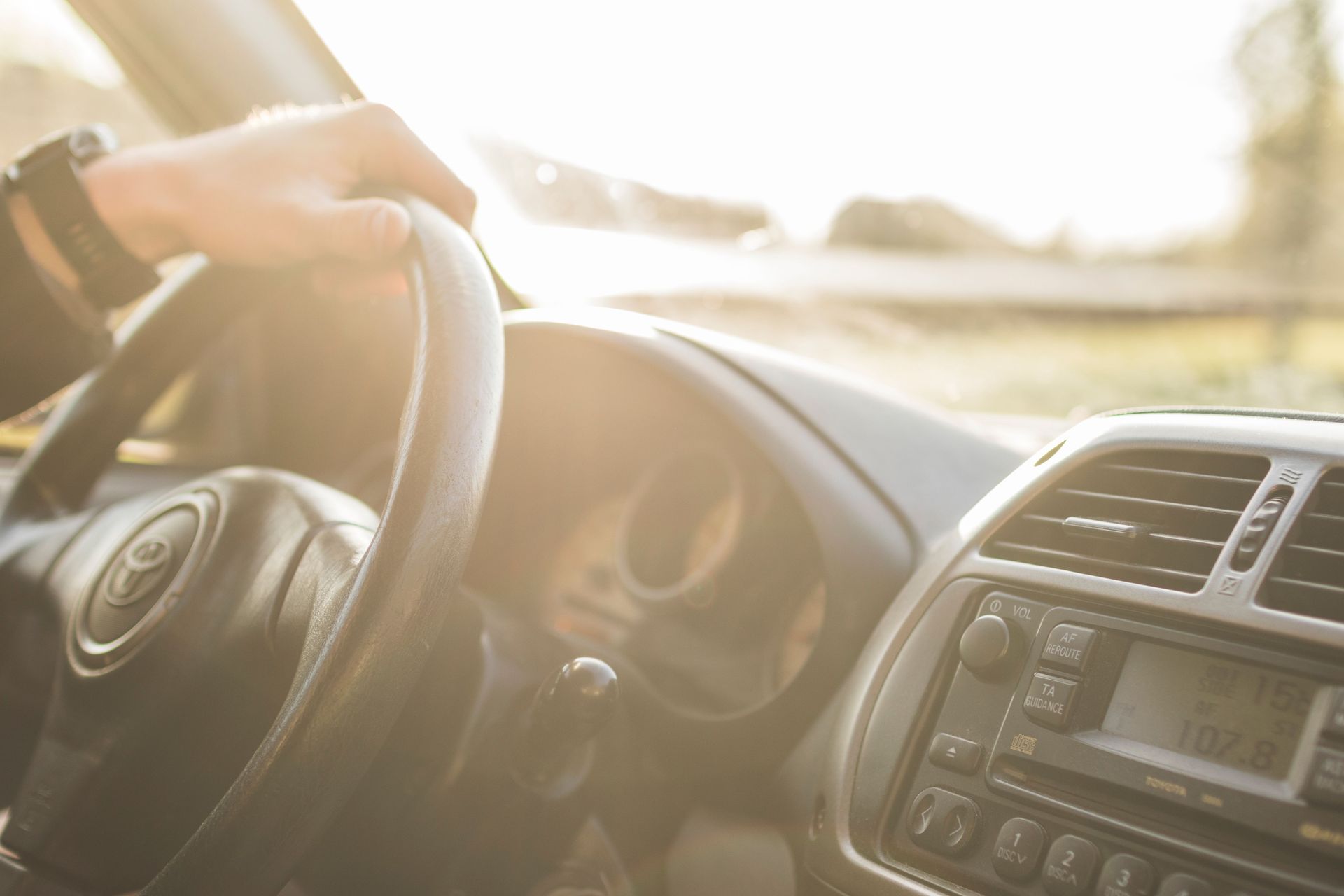
A parked car in an Orlando lot can feel like a slow bake. You open the door and a wall of heat rolls out. The steering wheel is almost too hot to hold. The seats feel like a griddle. The dash looks hazy and dry. Interior plastics and leather are getting cooked day after day.
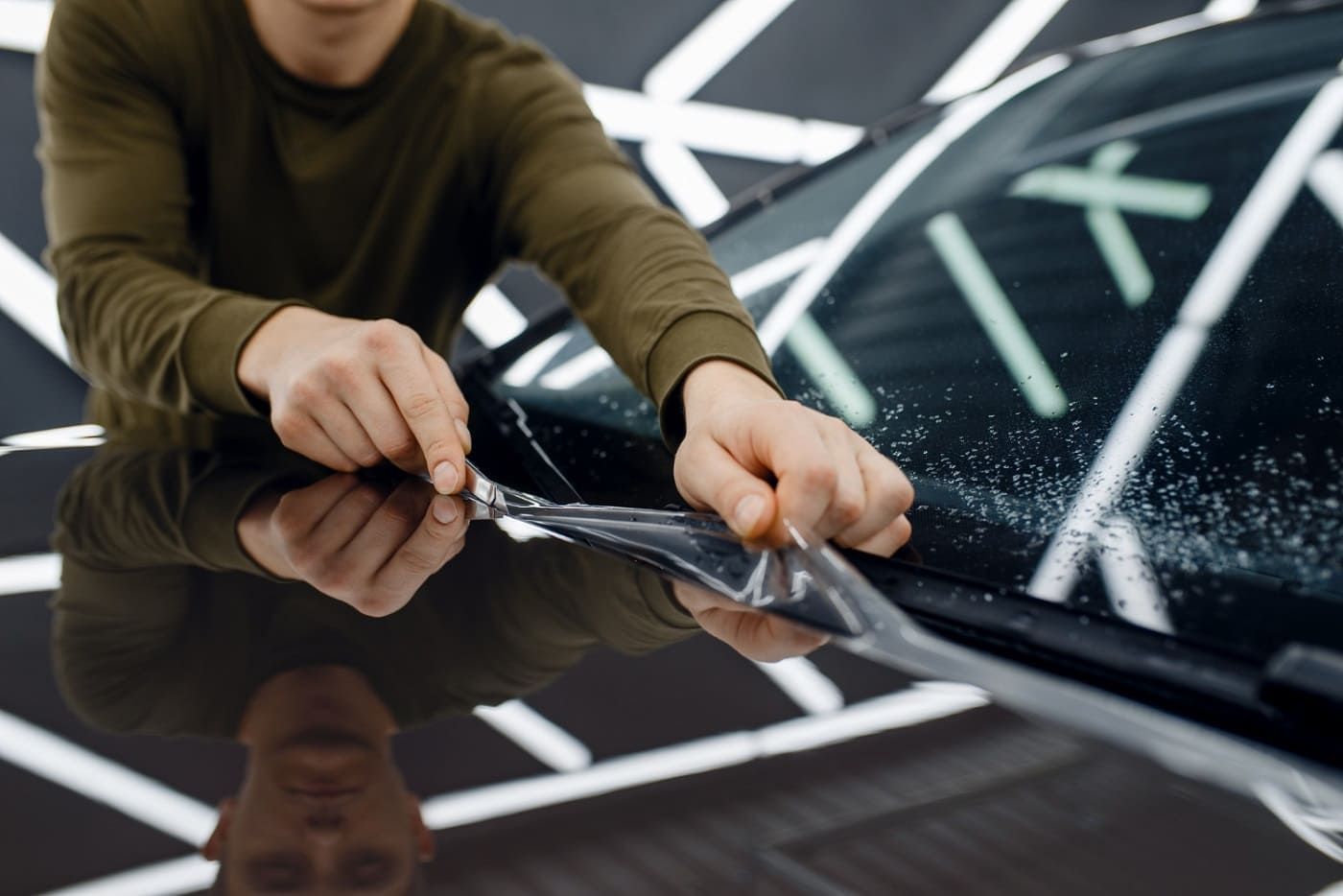
Paint protection film, also called PPF or clear bra, is great for one big job: shielding your paint from rock chips, road debris, and lovebug splatter. It keeps the outside of your car looking glossy and clean. But it does almost nothing to stop the heat and UV light that flood through the glass and attack your interior.
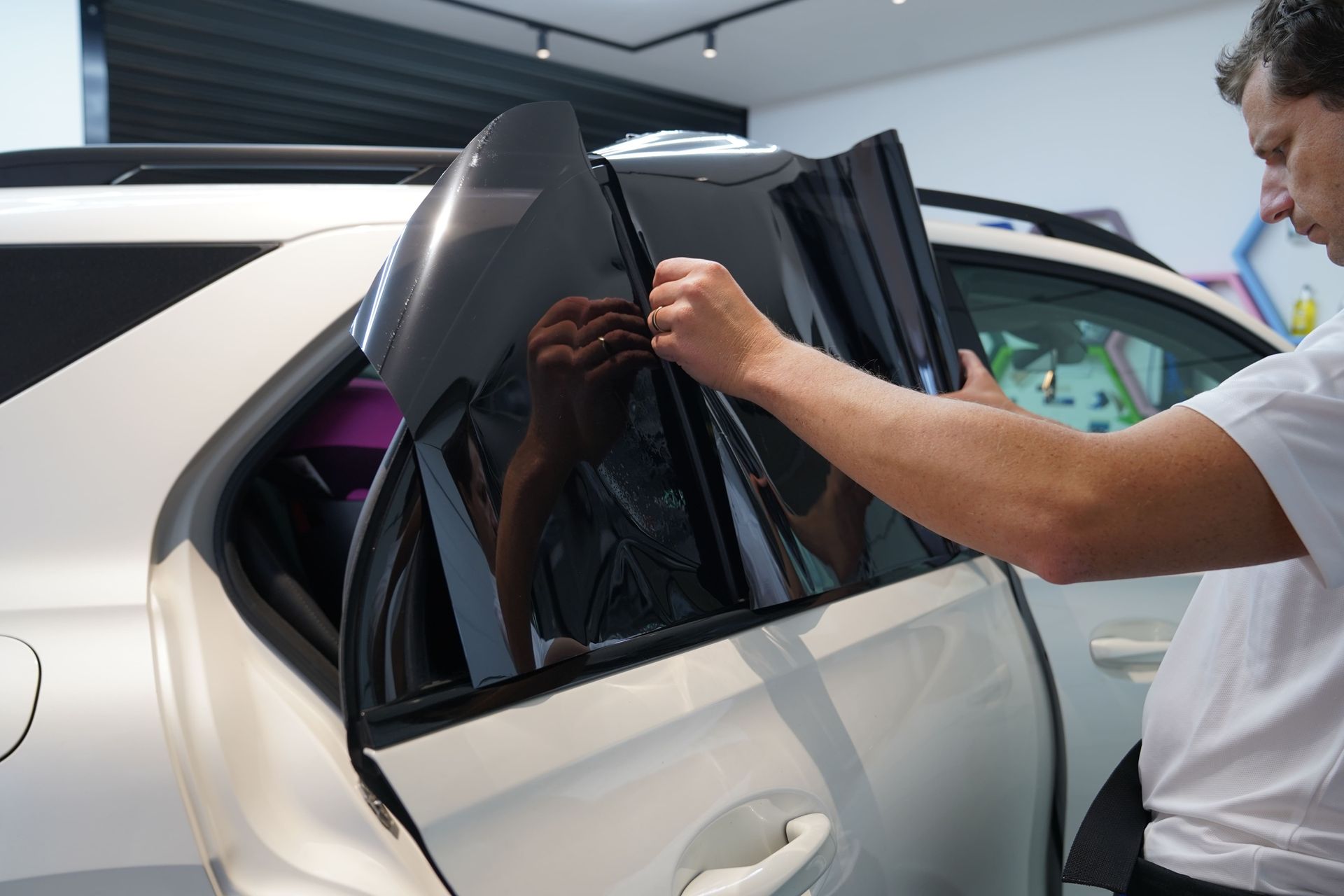
That is where ceramic window tint steps in. When we pair ceramic tint with paint protection film in Orlando, you get a strong combo. PPF handles the abuse on the front of the car. Ceramic tint does the heavy lifting for parked car comfort and interior protection, especially in open parking lots where there is no shade in sight.
How Orlando Sun Turns Parked Cars Into Ovens
The sun hitting your car is not just about bright light. There are three main parts that matter: visible light, infrared heat, and UV radiation.
Visible light is what your eyes see. It makes the cabin look bright and can cause glare on your dash and screens. Infrared, or IR, is what your skin feels as heat. UV rays are invisible and are the main cause of fading and surface damage.
Clear glass lets all three in easily. In late spring and summer, when the sun sits high and the days are long, that means your car becomes a solar box. IR heat builds up inside and has a hard time escaping. The steering wheel, seats, dash, and console just keep soaking in energy.
Over time, that constant bake leads to real problems:
- Dash, leather, and cloth fading
- Cracking and drying of plastics and vinyl
- Sticky or glossy-looking surfaces on the dash
- Electronics and screens aging faster from heat stress
The adhesives that hold your dash pieces, headliner, and trim together do not like repeated heat cycles. When the inside of your car gets very hot, cools down, then heats up again every day, those glue lines are under stress. Even newer vehicles can start to show small gaps and waves earlier than they should.
When Ceramic Tint Outperforms PPF for Parked Cars
PPF is a clear, thick film that goes over painted or high-impact areas on the outside of your car. We use it to guard front bumpers, hoods, mirrors, and other parts that take the brunt of bugs and road rash. It is built to resist impact and surface damage, not to block heat.
Ceramic tint is a different kind of film. It is designed for glass and for controlling energy. A quality ceramic tint can:
- Cut a large amount of IR heat before it enters the cabin
- Block nearly all UV rays that cause fading and cracking
- Lower surface temperatures on the steering wheel and seats
- Help keep interior colors closer to their original look
PPF cannot stop your dash from fading, keep your steering wheel cooler, or protect your interior plastics from UV. That is the job of tint. For Orlando drivers who park outside, ceramic tint is often the bigger factor in how the car feels when you get in and how the interior looks over time.
By reducing IR and UV, ceramic tint slows down the aging of leather, vinyl, and cloth. The dash stays richer. Plastics stay less brittle. Door panels and center consoles hold up better under daily heat.
Real-World Parking Lot Problems for Orlando Drivers
Think about running errands at midday. You park, go inside for half an hour, then come back out. With untinted or basic glass, the steering wheel can be so hot you need to hold it from the bottom or use your shirt. Seatbelt buckles are painful on bare skin. The first few minutes of the drive are just you trying to cool the cabin down.
That heat is not only annoying. It is also working on your car from the inside out. When the sun hits your windshield and front windows, energy passes through and then bounces around. The dash, console, and panels soak it up and then radiate it back as trapped heat.
Over time, that kind of chronic heat load can:
- Weaken adhesives under the dash and in the headliner
- Lead to sagging fabric or loose trim
- Make plastics more likely to warp or rattle
- Stress screens, touch panels, and other electronics
Ceramic tint softens these peaks. With high-performance film on your glass, the interior does not reach the same extremes as fast. The wheel and seats are more comfortable to touch. The dash and panels are not baking as hard every single day. That smoother temperature range is kinder to glues, plastics, and electronic components.
For cars that live in open lots at workplaces, schools, shopping centers, and theme parks, this difference adds up over months and years.
Best Ceramic Tint Specs for Orlando Drivers Who Park Outside
When you live in a hot, sunny area, tint darkness is only part of the story. A light ceramic film can outperform a darker basic film if it is built to block IR heat and UV at a higher level.
Key things to look at:
- IR rejection: how well the film rejects the heat you feel
- Total solar energy rejection: how much overall energy it keeps out
- UV protection: how close to full UV blockage the film is
That is why we often suggest a setup built around performance, not just shade level. A common approach for Orlando drivers is:
- Front side windows: a ceramic film at or near the legal limit that focuses on IR rejection
- Windshield: a very light or clear ceramic film that is made to reduce heat and glare while staying within the law
- Rear glass: slightly darker ceramic tint for extra privacy and cooling in the back
The goal is to make your parked car easier to step into, with less shock from heat, while also keeping the interior looking fresh. A professional shop can help match film options to what you want to feel and see, as well as work within legal guidelines.
Working with experienced installers is especially important for drivers who park outside every day. Quality film, proper prep, and clean installation help the tint perform well and last longer.
Why Combining Ceramic Tint with PPF Is the Smartest Orlando Upgrade
For many Orlando drivers, the best setup is not a choice between ceramic tint and PPF. It is both. Each one covers a different kind of problem.
PPF or clear bra protects your front bumper, hood, and other painted surfaces from chips, sand, road grit, and lovebug residue. Ceramic tint shields you and your cabin from blazing sun and heat. Together, they help keep the car cooler inside and cleaner outside.
Some drivers focus on a front-end PPF package paired with full ceramic tint on all the glass. Others choose more coverage with PPF on extra panels, along with higher performance ceramic films because their cars sit in exposed parking near attractions, offices, or schools most days.
As days get longer in late spring and the sun starts to hit harder, cars in Orlando spend more time heating up in lots. That is the perfect time to think about how often your vehicle sits outside and how it feels when you get back in. A smart mix of ceramic tint and paint protection film in Orlando can help your car stay cooler, look newer, and handle the local sun far better.
At Winter Park Tint & Paint Protection, we focus on premium auto window tinting and PPF installations for drivers across the Orlando area. Our goal is simple: keep your car more comfortable to drive and help protect the finish and the interior from the constant Florida sun so you enjoy your vehicle longer.
Protect Your Vehicle’s Finish With Professional Film Installation
If you are ready to keep your car looking newer for longer, our team at
Winter Park Tint & Paint Protection is here to help. Whether you are commuting daily or protecting a new purchase, our expertly installed
paint protection film in Orlando gives your vehicle a durable barrier against chips, stains, and road wear.
Reach out today to
schedule your service and get tailored recommendations for your vehicle’s needs.