Orlando Ceramic Tint Guide: VLT, Windshield Strip, Glare, and FL Limits
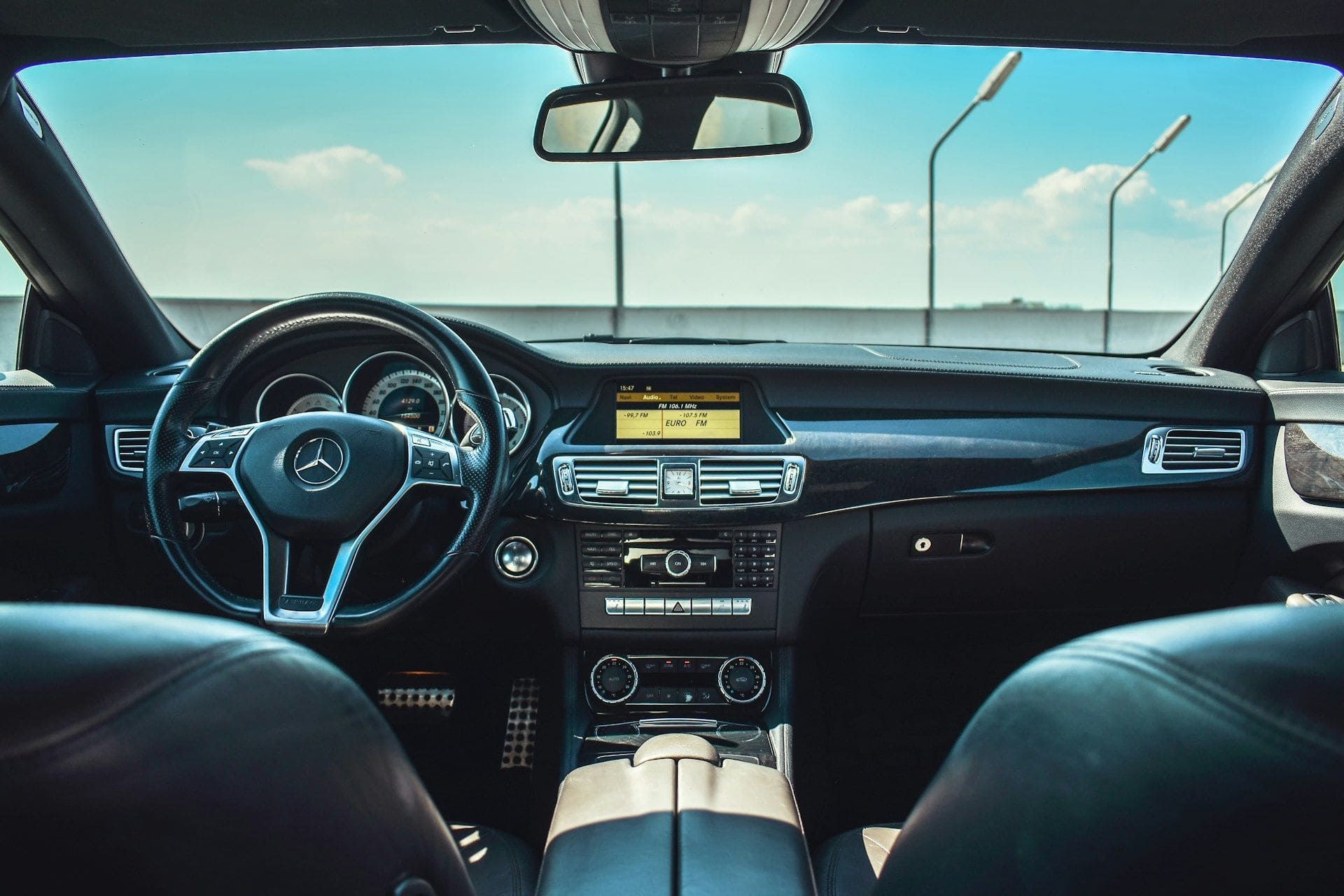
Drive Safer in Orlando’s Blinding Sun
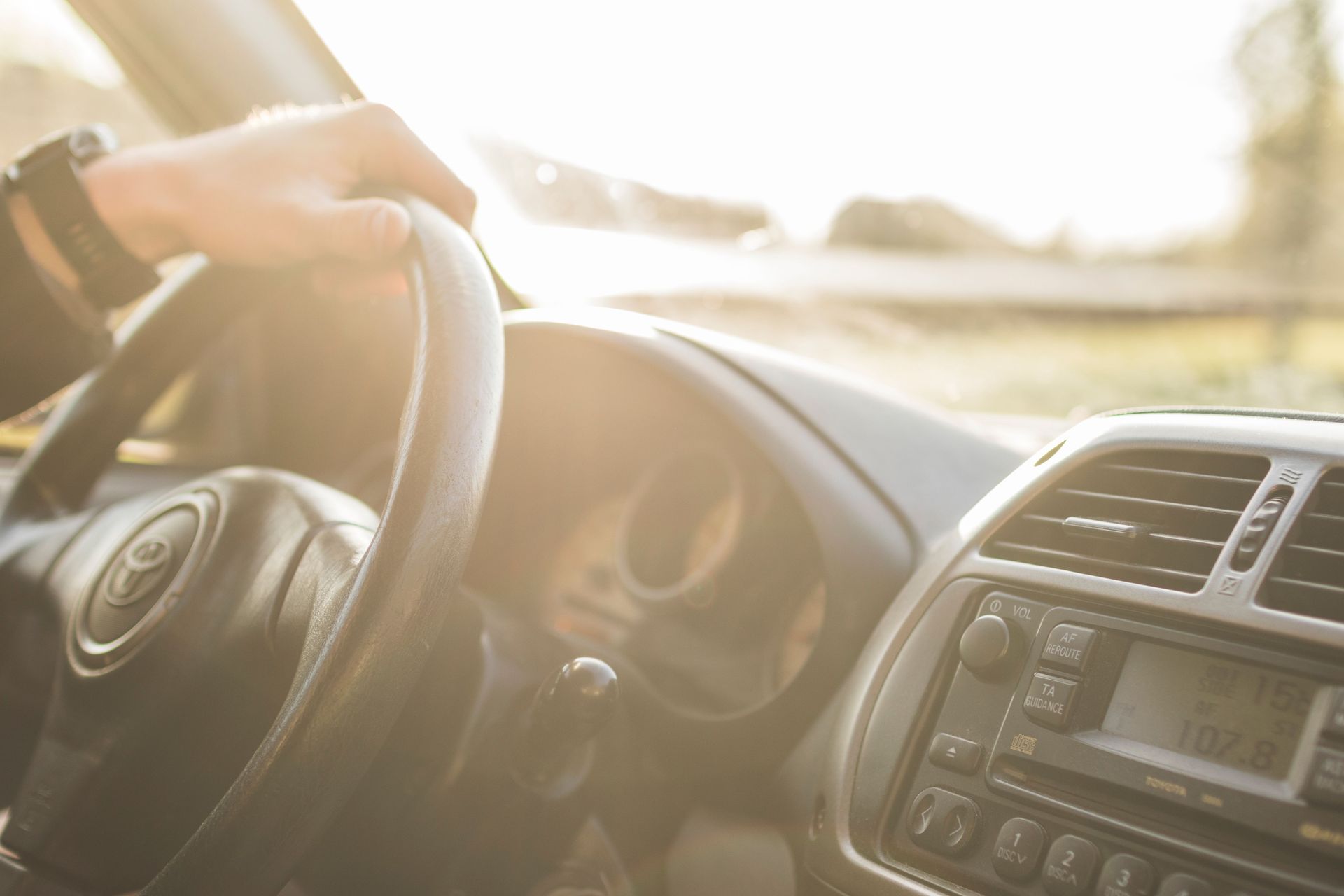
Orlando drivers deal with bright, low sun almost every day, and it hits hardest during busy commute hours. Morning drives heading east and afternoon trips heading west can feel like you are staring straight into a spotlight, especially in summer when the sun rides low for longer. Mix in humidity haze, wet roads, glass buildings, and heavy traffic, and that glare is more than annoying, it can cut your view of brake lights, lane lines, and pedestrians.
With the right automotive ceramic window tinting setup, you can calm that glare without losing clear vision. Smart choices for front, rear, and a legal windshield strip help you see better, react quicker, and feel less worn out at the end of the drive. In this guide, we will walk through how sun angle affects Orlando routes, best VLT ranges for different times of day, how Florida tint laws fit in, and how ceramic tint works with polarized sunglasses. As a local shop, we work with this mix of sun, rain, and glare every day, so we will keep it simple and real.
How Orlando’s Sun Angle Affects Your Commute
Orlando driving is very east and west. Morning trips toward downtown or the Space Coast mean low sun blasting through the windshield and the driver-side. After work, that same sun shifts to the front glass and passenger-side as you head west on roads like I-4, 408, or 417. The light is low, bright, and right at eye level.
As the year moves into longer days, you spend more time with that low sun during peak traffic. The angle creates strong reflections off:
- Wet pavement after quick showers
- Chrome and white work trucks in front of you
- Nearby lakes and retention ponds
- Tall glass buildings and signs
Standard factory glass and basic dyed tint usually do not help much with this kind of glare. They might darken the view a little, but they do not manage light very well and can feel murky or hazy. Premium ceramic films are different. They are designed to block heat and harsh light while keeping the view clear, even when clouds roll in, then sun pops out, then rain hits again.
Best Ceramic Tint VLT Choices for Morning and Afternoon Glare
VLT, or Visible Light Transmission, is simply how much light the tint lets through. Higher VLT means a lighter film and more light. Lower VLT means a darker film and less light. The goal is not just to go dark; it is to balance glare control with sharp, natural vision.
For Orlando commuters who want both comfort and safety inside Florida law, a lot of drivers find these ranges work well:
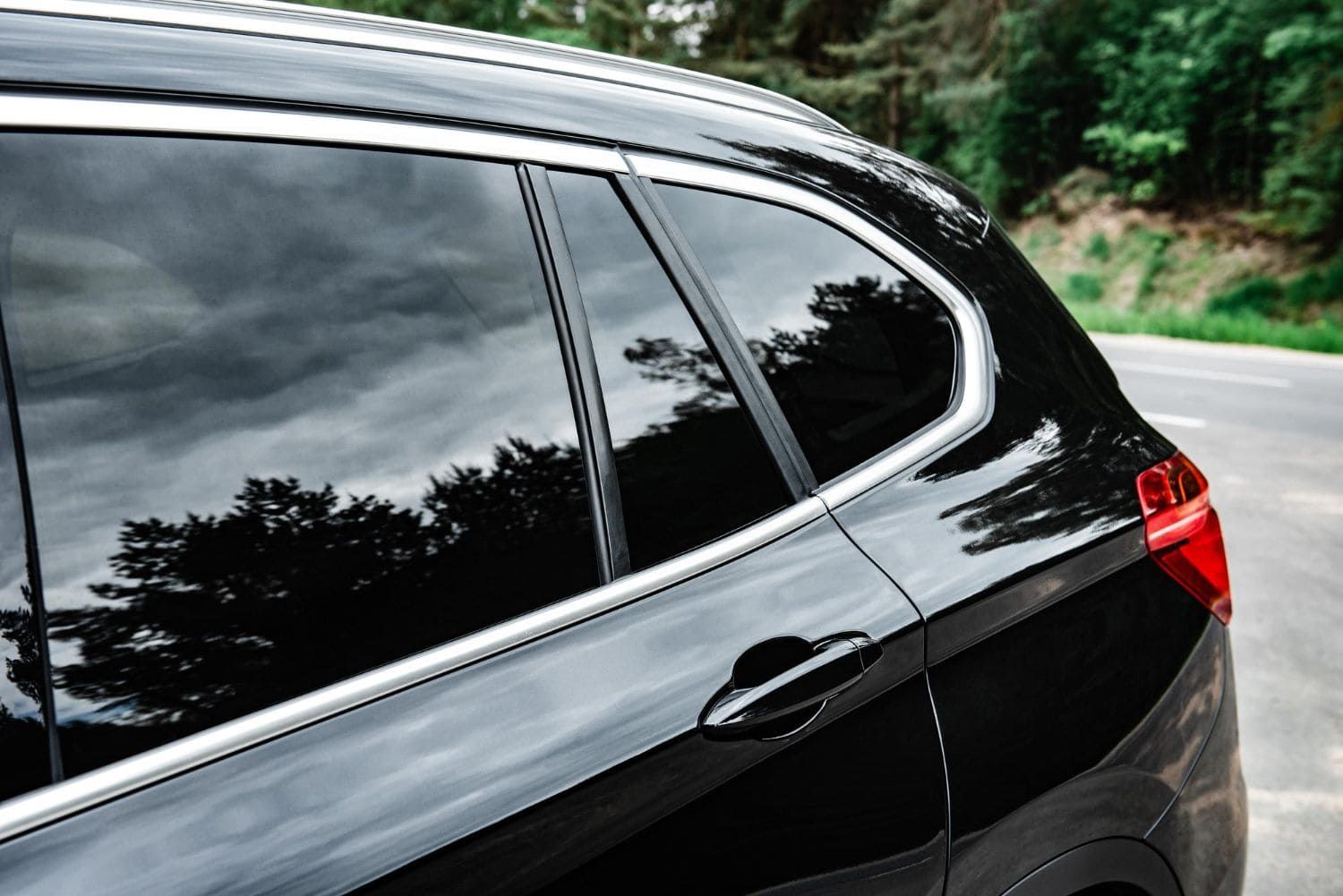
- Front side windows: around 30 to 35 percent ceramic tint
- Rear side windows and back glass: around 15 to 20 percent ceramic tint
On the front sides, staying around 30 to 35 percent keeps things bright enough to spot lane changes, bikes, and pedestrians, while cutting the harshness of the sun. This is especially helpful when law enforcement needs to see inside the car and when you are driving in heavy rain or under thick clouds.
For the rear and back glass, 15 to 20 percent gives stronger heat and glare control. This is helpful for SUVs and crossovers, especially when kids or pets ride in the back and the sun hits from behind for long stretches.
For morning eastbound drivers, a legal, well-placed windshield strip is key. Paired with that slightly lighter front tint, it helps block the low sun across the top of your view while keeping good contrast on the road, lane lines, and traffic lights. For afternoon westbound drives, darker rear and back windows help cut reflections from traffic, reflective trucks, and bright road surfaces in your mirrors, while still letting you see approaching vehicles clearly.
High-quality ceramic films stand out here because they block a lot of heat and glare even at these moderate VLT levels. You do not have to go super dark to feel a clear difference, and the view tends to stay crisp when daylight shifts fast.
Florida Legal Tint Limits and Smart Windshield Strip Placement
To stay safe and avoid tickets, your tint setup needs to match Florida tint rules. Laws can change, so it is always smart to double-check, but here is the basic idea many drivers follow:
- Front driver and passenger windows must stay at or above a set VLT limit, often around the upper 20s
- Rear sides and back glass can usually be darker, often down to the mid-teens VLT on many passenger vehicles
- Reflective mirror-like films are limited
- Certain colors, like red or blue, are not allowed
The windshield is where the rules are strictest. Florida usually allows non-reflective tint only along the top of the glass. That band must sit above a marked line on the windshield, called the AS-1 line on many cars, or follow a specific depth measurement. Tint cannot drop into your main viewing area.
A carefully measured ceramic windshield strip can make a huge difference for sunrise and sunset drives on Orlando highways. Placed correctly, it blocks the worst of the sun without cutting into your main field of view. This matters even more for shorter drivers, who sit lower and can lose more windshield area if the strip is placed wrong.
A professional shop can check your glass markings, measure the correct depth, and line up the strip so it stays clearly on the safe and legal side.
Ceramic Tint, Polarized Sunglasses, and Visual Clarity
Polarized sunglasses work by filtering out horizontal glare, like bright reflections off roads, water, and hoods. They are great for Florida driving, but they can react strangely with some lower-quality or highly reflective tints. You might see rainbow patterns, weird color shifts, or a checkerboard effect on certain glass.
Premium non-metallic ceramic films, like the LLumar and FormulaOne options we install, are made for high optical clarity. They are designed to stay neutral and clean-looking, which usually pairs better with polarized lenses. For drivers who are sensitive to eye strain or headaches, that smoother view can make a long commute feel much easier.
A few practical tips:
- Pick moderate VLT levels so you can safely remove sunglasses in heavy shade, parking garages, or sudden downpours
- Ask to look through sample boards with your own polarized sunglasses before you commit to a shade
- Be careful with very dark rear glass, because combined with polarized lenses, it can make it harder to see people on bikes or motorcycles at dawn or dusk
With a smart mix of ceramic tint and good sunglasses, the road looks calmer, colors stay natural, and your eyes do not have to work as hard during long drives on I-4 or 417.
Upgrade Your Commute with a Custom Orlando Tint Plan
When you think about tint, it helps to shift the question from “How dark can I go?” to “What keeps me safest on the roads I drive every day?” Your regular route, the time you leave home, the direction you face, and how often you run into rain-glare should all play a part in your plan. It is also worth thinking about who rides with you, like kids in car seats or pets in the back.
At Winter Park Tint & Paint Protection, we focus on building a setup around your real life, not just the legal minimums. We work with LLumar and FormulaOne ceramic films that are designed to handle Florida heat, high sun, and humidity while keeping a clear view. With Orlando’s brightest months and busy travel season in full swing, it is a great time to dial in your visibility, comfort, and safety before the next round of long drives, afternoon showers, and school traffic.
Get Started With Your Project Today
Ready to improve comfort, privacy, and UV protection in your vehicle? At
Winter Park Tint & Paint Protection, we bring the same attention to detail and quality products to every
automotive ceramic window tinting project we complete.
Reach out today so we can discuss your goals, walk you through film options, and provide a clear,
upfront estimate tailored to your car. Let us help you protect your interior and make every drive more enjoyable.