Florida Lovebugs on Unprotected Paint: Safe Removal Steps
Stop Lovebug Damage Before It Ruins Your Finish
Lovebugs are a normal part of life in Florida, but they are tough on your paint. Spring and late summer bring heavy swarms, and by late June many cars around Orlando and Winter Park are already wearing a speckled front bumper as a badge of highway driving.
Those splats are more than just ugly. As lovebug remains sit on your paint and bake in the sun, they turn acidic. In our heat and UV, they can start etching into your clear coat in as little as a couple of days. If your car does not have Paint Protection Film or Clear Bra, it is especially important to deal with them the right way.
Here, we will walk through why lovebugs are so harsh, how to remove them safely at home, what products and tricks you should avoid, and how to tell when it is time to book professional paint correction in the Winter Park and Orlando area, even if you do not plan on adding PPF.
Why Florida Lovebugs Are so Harmful to Your Paint
Lovebugs themselves are soft, but what is left behind on your paint is not friendly. Their bodies break down quickly in the heat. As they dry, the mix of body fluids, proteins, and guts reacts with high temperatures, UV light, and oxygen. That mix becomes acidic and starts to attack the clear coat on your vehicle.
Florida makes this worse because of:
- Strong sun that beats on panels for hours
- High humidity that keeps residue sticky
- Hot panels that “cook” bug remains faster
There are a few stages of damage to watch for:
- Fresh splatter: looks glossy or wet, usually comes off with a gentle wash.
- Light staining: faint marks left after washing, but the surface still feels smooth.
- Etching: marks you can feel, or see as dull, cloudy spots where the clear coat is eaten away.
The most vulnerable zones are the leading edges. On many cars that means:
- Front bumper and grille
- Front of the hood
- Side mirrors and mirror caps
- A-pillars and windshield surround
- Rocker panels and front fenders by the wheel wells
Light colored cars tend to show staining faster, but dark colors can suffer just as much. The damage is just harder to spot until it gets worse.
Safe, Step-by-Step Lovebug Removal at Home
If your paint is not protected with PPF or Clear Bra, gentle cleaning is the key. Rushing in with harsh chemicals or scrub pads usually causes more harm than the bugs themselves.
Start with preparation:
- Move the car into shade or a covered area.
- Let the panels cool to the touch.
- Gather pH-balanced automotive car wash soap, two buckets, a microfiber wash mitt, plush microfiber towels, a dedicated bug sponge or bug mitt that is safe for paint, and plenty of clean water.
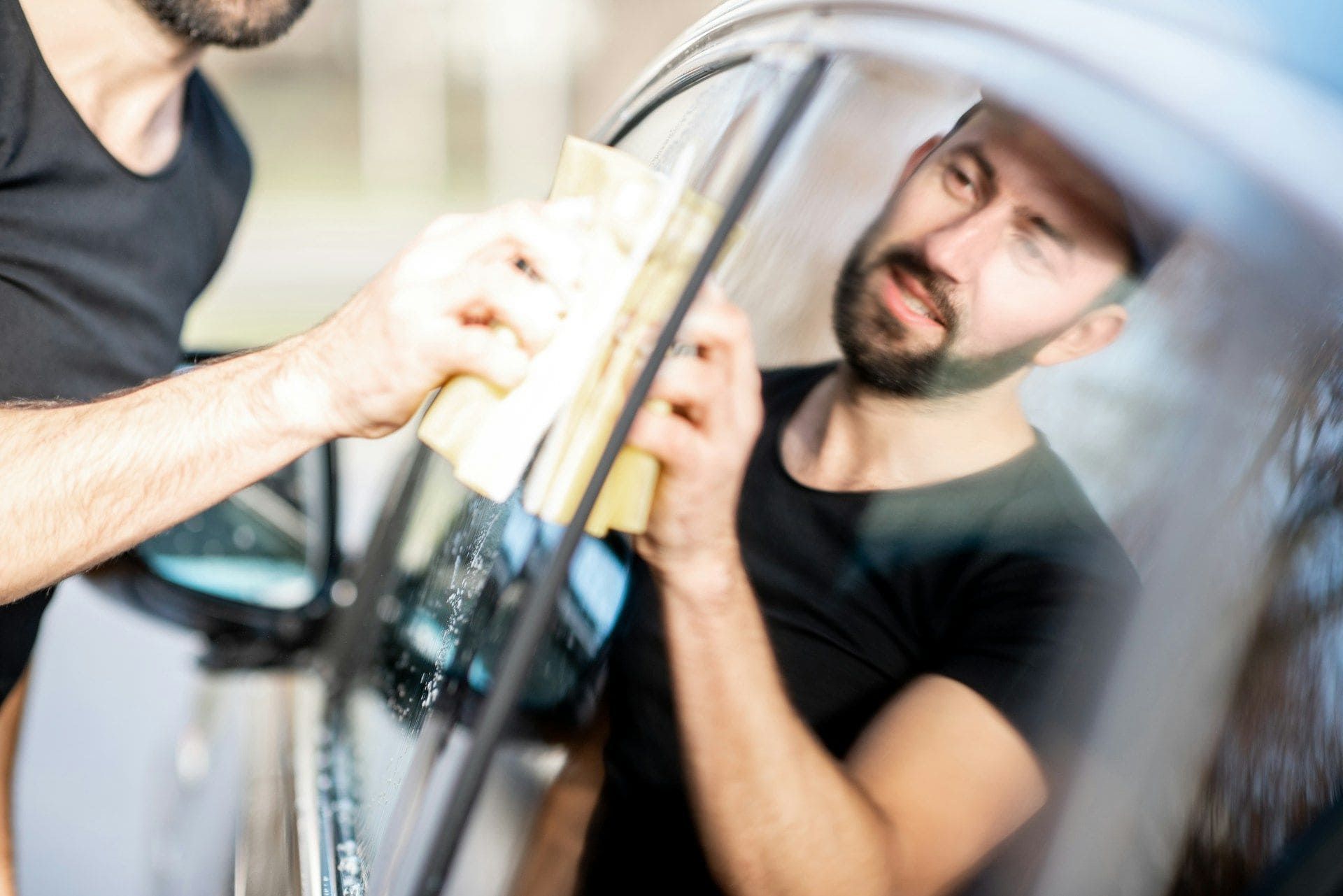
Next, pre-soak and soften the bug remains. Mix some car wash soap with water in a spray bottle or foam cannon. Mist the front bumper, hood edge, mirrors, and other bug-covered spots. Let that soapy mix sit a few minutes to rehydrate and loosen the remains, but do not let it dry on the surface.
Now you can clean with a gentle touch:
1. Load your wash mitt with soapy water and use light pressure.
2. Work in straight lines, not circles, to cut down on swirl marks.
3. Rinse the mitt often so you are not grinding old bug pieces into the paint.
4. Make several light passes instead of scrubbing hard in one spot.
For stubborn spots that remain, use a separate microfiber towel dipped in the soapy bucket. Gently work on just the bug area, again using straight lines and low pressure. When you are done, rinse the area very well and dry with clean, plush microfiber towels to avoid water spots.
Products and Methods That Can Do More Harm Than Lovebugs
Some common products that seem strong and handy can actually damage your paint quickly, especially on hot panels. It is smart to keep these away from your vehicle’s clear coat:
- Household cleaners like all-purpose sprays, kitchen degreasers, glass cleaner, or oven cleaner
- Heavy bug and tar removers that do not clearly say they are safe for automotive clear coat
- Wheel or engine cleaners, which are made for metal and heavy grime, not paint
The tools you use matter just as much. Try to avoid:
- Kitchen sponges with a scrubby side
- Scouring pads and abrasive powders
- Magic erasers, which act like very fine sandpaper
- Stiff brushes or anything with hard bristles
- Razor blades or plastic scrapers on painted areas
You may see social media “hacks” that suggest rubbing in baking soda paste, vinegar, or other homemade mixes. These can scratch or dull the finish and strip wax or sealant. They also can create uneven spots that still need professional correction.
Heat is another big risk. Working on hot paint in direct sun, or letting a strong chemical “sit” and bake, can cause:
- Chemical burns in the clear coat
- Heavy water spots that do not wash away
- Faster etching where bugs already weakened the clear coat
Cool panels, mild products, and a soft touch are always safer.
When Lovebug Etching Needs Professional Paint Correction
Sometimes, even careful cleaning is not enough. If the bugs sat on the car for days in the Florida sun, you might already have etching that home washing cannot fix.
Signs that it is time for professional paint correction include:
- Stains or marks you can feel when you run a fingernail lightly over the spot
- Dull or cloudy patches on the front of the hood or bumper
- “Ghost” outlines of splatter that stay even after a thorough wash
- A rough, sandpaper feel in certain areas even though they look clean
Professional paint correction uses machine polishing with the right pads and liquids to gently level the top layer of the clear coat. A trained technician can make several stages of passes, from stronger cutting to fine finishing, to reduce or remove light etching and restore gloss. Done the right way, this helps avoid swirl marks, holograms, or thinning the clear coat too much.
Late June and early summer are a smart time for Orlando and Winter Park drivers to fix the damage from spring lovebug season before the next wave hits. A local shop can look over your car and tell you whether a light polish or deeper correction is best, even if you are not planning to cover the front end with PPF.
Protecting Your Paint Between Swarms in Central Florida
Once your paint is clean and corrected, it is all about staying ahead of the next swarm. A few quick habits go a long way here.
Helpful post-drive routines include:
- Rinsing or washing the front end within a day or two after highway trips
- Keeping a small spray bottle of quick detailer or rinseless wash and a microfiber towel in the trunk for same-day bug removal
- Avoiding long parking periods facing the sun when the front of the car is covered in bugs
Adding a quality wax or paint sealant gives your paint a sacrificial layer. That layer helps bugs sit on the surface instead of bonding directly to the clear coat. It also makes them easier to wash off and can reduce how deep any etching goes.
With Central Florida’s strong sun, frequent rain, and busy highways, extra protection is a smart long-term plan. Many drivers in Winter Park who start by asking about paint protection film in Winter Park, FL are really just looking for a way to keep their vehicles looking newer for longer, especially on the front bumper, hood, mirrors, and other high-impact zones.
When to Consider PPF or Clear Bra After Paint Correction
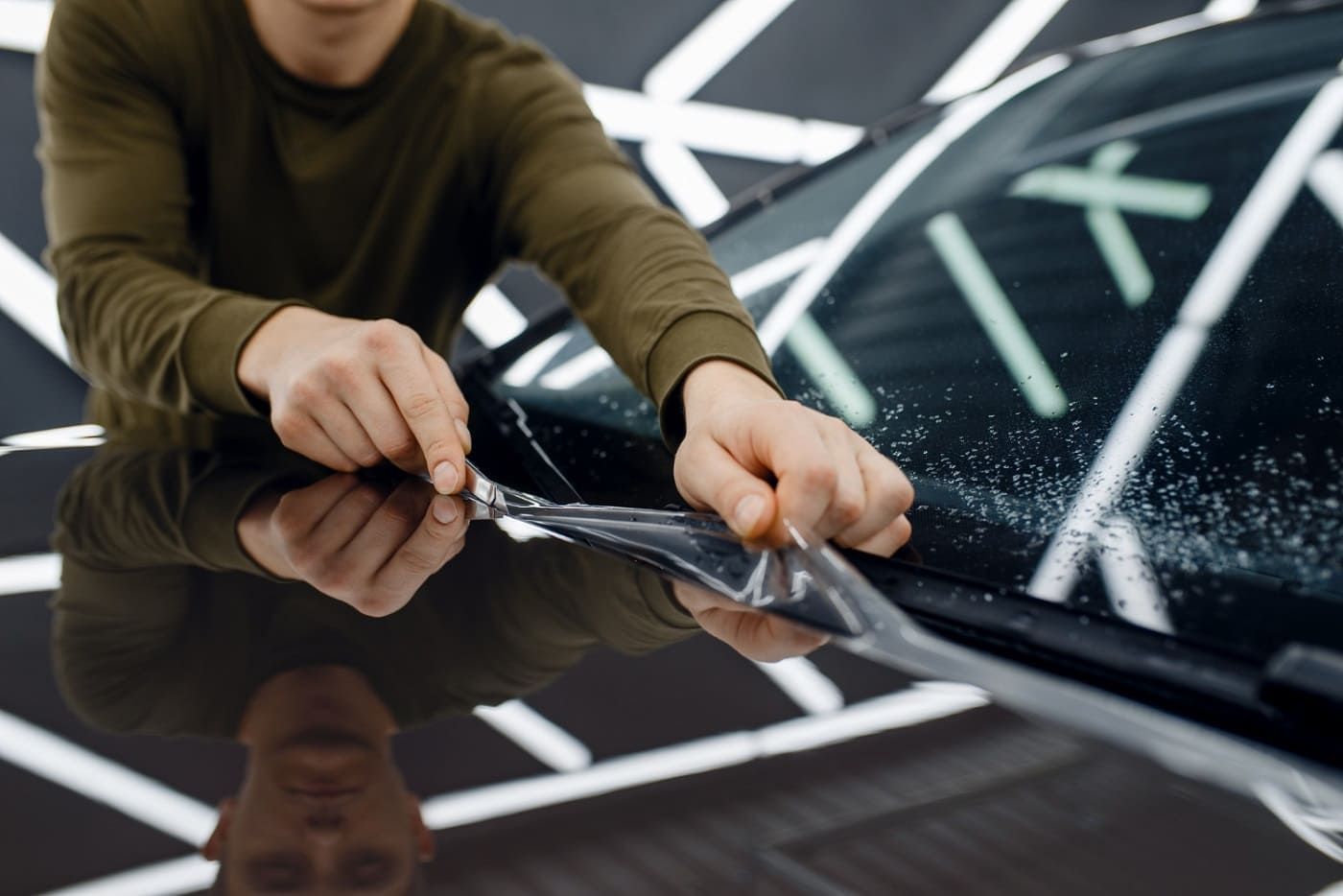
If you already have lovebug damage, the best sequence is simple: fix the paint first, then protect it. Professional paint correction can remove or reduce etching and restore the shine. After that, adding Paint Protection Film or Clear Bra over those refreshed panels helps lock in the results.
High-quality PPF is designed to:
- Absorb bug impacts and road sand so they do not hit the clear coat directly
- Resist staining better than bare paint
- Self-heal light swirl marks from washing when warmed by the sun or warm water
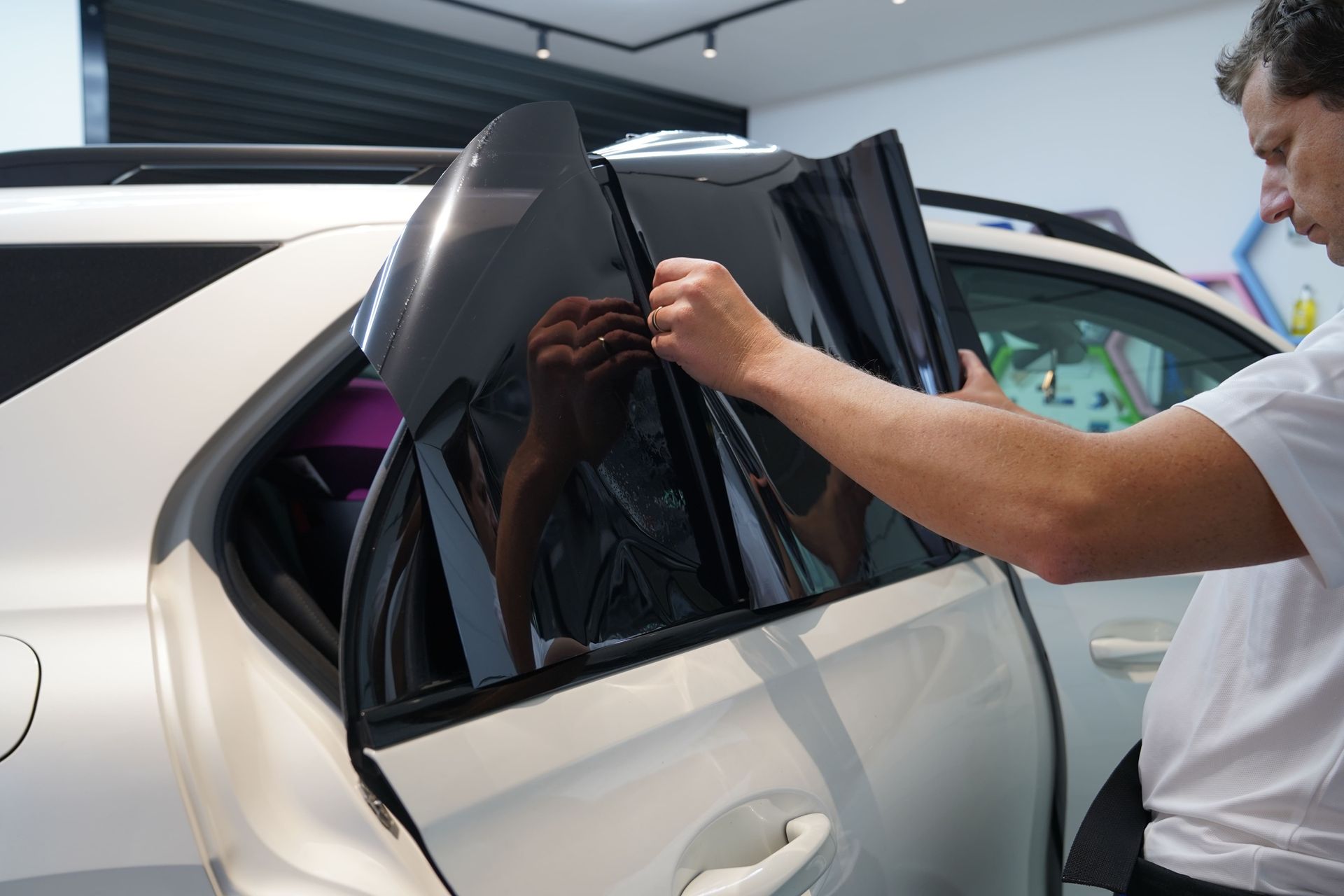
On daily drivers and commuters in Florida, covering the front bumper, leading edge of the hood, mirrors, and rocker areas can cut down on future bug damage, rock chips, and other wear. Winter Park Tint & Paint Protection installs premium paint protection film as an authorized LLumar SelectPro dealer and can look over your car, suggest which panels make the most sense, and even pair PPF with ceramic window tint to help with heat and UV at the same time.
Book Your Post-Lovebug Paint Check Before Damage Spreads
Lovebugs are not going away, but the damage they cause can be managed. Quick action, gentle products, and the right techniques help keep their acidic remains from chewing into your clear coat. Avoid harsh cleaners, scrubbing tools, and hot sun when cleaning, and pay attention to any dull, rough, or ghosted spots that might already need correction.
As summer moves along in Central Florida, it is a good idea for drivers around Orlando and
Winter Park to get a seasonal paint check after the first heavy swarm. Winter Park Tint & Paint Protection can inspect your finish, recommend the right level of paint correction for existing etching, and discuss whether adding Clear Bra or PPF on key panels fits your driving habits and long-term plans for your vehicle.
Protect Your Vehicle With Proven, Long-Lasting Coverage
If you are ready to keep your paint looking new longer, our team at
Winter Park Tint & Paint Protection is here to help. Explore how our
paint protection film in Winter Park, FL can shield your vehicle from chips, scratches, and road debris. We will walk you through your options, answer your questions, and recommend the right level of coverage for how you drive.
Schedule your appointment today so we can get your vehicle protected and looking its best.