Orlando Shift-Worker Commutes: Ceramic Tint for Morning vs. Evening Sun

Beat Florida Sun Glare on Every Shift Change
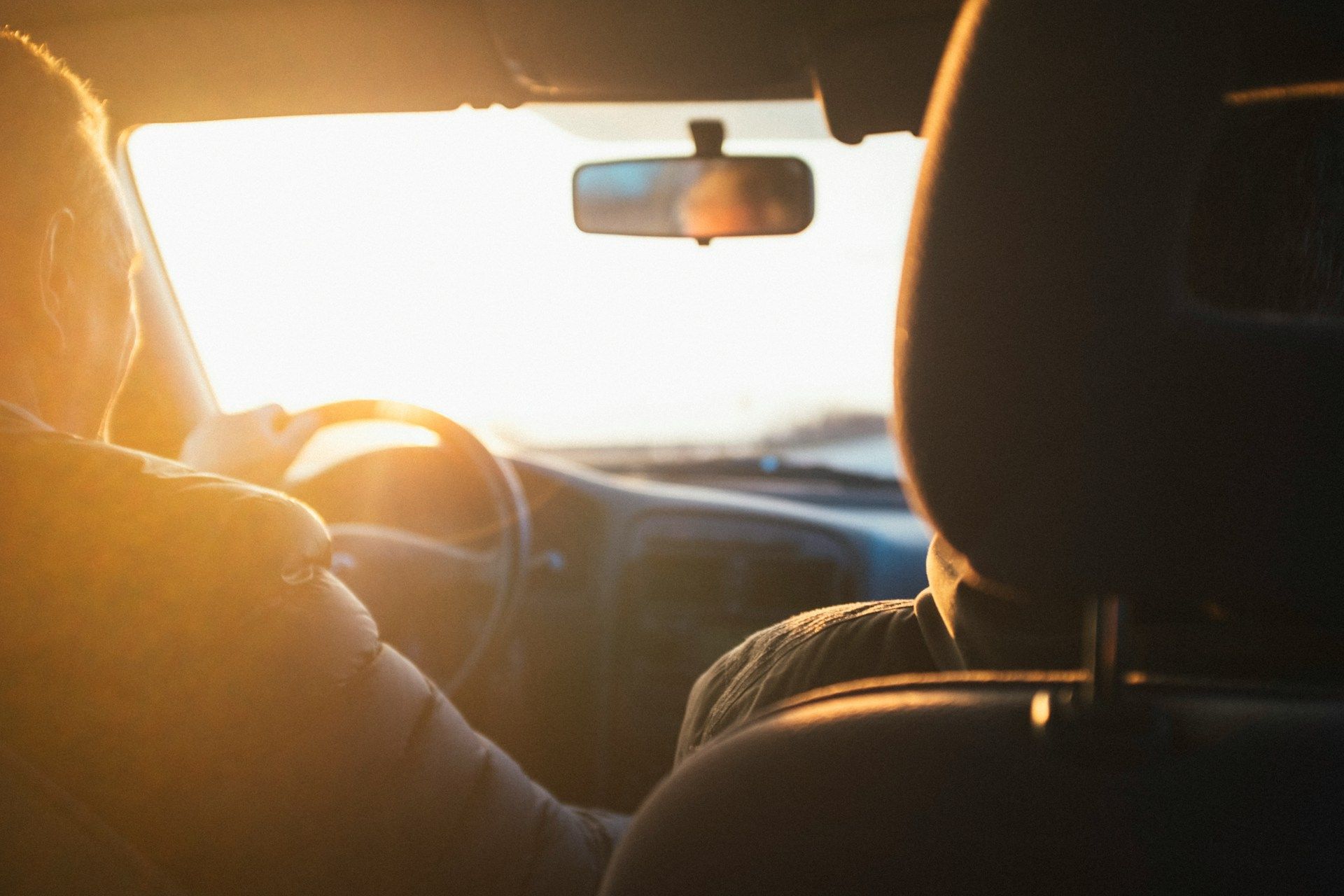
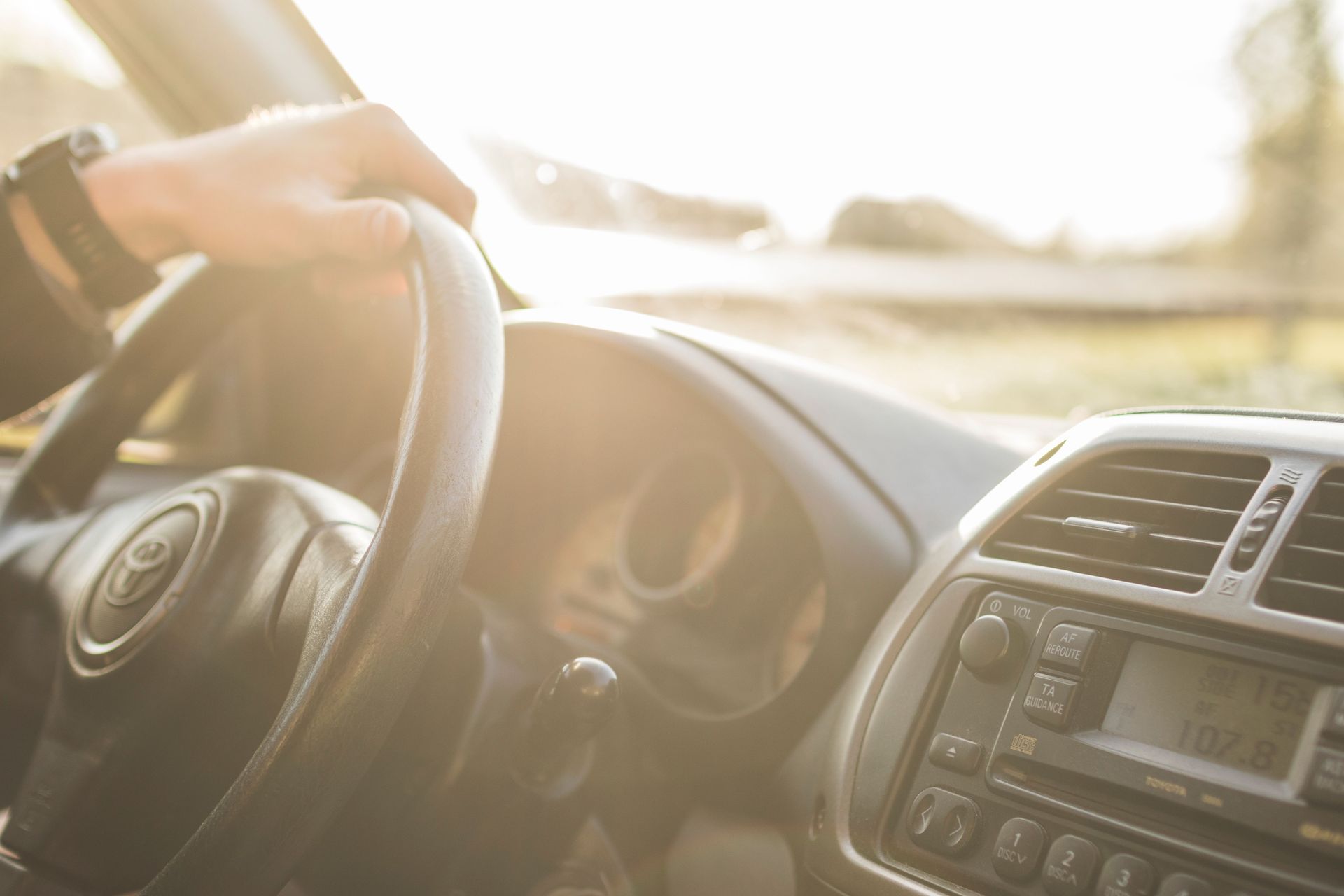
Driving to or from a shift around Orlando can feel like staring straight into a spotlight. Morning crews head east into sunrise, evening crews head west into that blinding low sun, and overnight workers leave work just as the day heats up. The sun is low, traffic is heavy, and your eyes are working overtime.
Ceramic heat rejection window tint can help with all of that. It cuts harsh glare, blocks a lot of heat, and softens bright light so your eyes can relax. Done right, it does this without making your car feel too dark or unsafe, even if you are driving home in the dark or in a summer rainstorm.
We like to think of it as a commuter-specific tint setup. By pairing smart side-window VLT choices, a legal windshield strip, and quality ceramic film, you get a setup that matches your route, your shift time, and Florida rules. In the peak of summer, when the sun is strong and the air is sticky, a well-planned tint package is more than a comfort upgrade. It can help reduce fatigue and keep your focus on the road.
How Florida Tint Laws Shape Your Commute Setup
Before you pick shades, you have to stay inside Florida tint laws. The rules are a little different for sedans and for SUVs or trucks. The main things that matter for your commute are the front side windows, the rear side windows, the back glass, and the windshield strip.
In simple terms, Florida cares about how much light can pass through the glass. That is what VLT means. The law sets a minimum VLT for different windows, so they cannot be too dark. The windshield can only have tint at the very top, usually the area above the AS-1 line or a limited number of inches from the top edge, depending on the glass markings and how the car is built.
That top strip is a big deal for sunrise and sunset. It helps block the low sun that sits just above the hood line, but it cannot drop so low that it hides traffic lights or signs. A well-placed strip can:
- Cut glare from the sun and streetlights
- Keep your eyes from squinting for long stretches
- Work together with your visor, instead of fighting it
Professional installers use light meters and film specs to keep you on the right side of the law. When you mix factory tinted glass with aftermarket ceramic film, the combined VLT can surprise you. Checking with a meter lets us build a ceramic heat rejection window tint package that passes checks, avoids tickets, and still gives you real heat and glare control.
Morning-Direction Routes Versus Evening-Direction Routes
Your route direction matters more than most people think. Do you drive east into the rising sun, west toward the setting sun, or swap around with rotating shifts? That regular pattern should shape how your tint is laid out.
For mainly eastbound morning commuters, the biggest fight is low, direct sun right in your line of sight. A strong but legal windshield strip, paired with a smart VLT on the driver’s front window, can help a lot. You want enough tint to soften that sharp light, but not so dark that dawn roads, bikes, or pedestrians are hard to see.
For mostly westbound evening commuters, the rear of the car takes a beating. Late-day sun behind you bounces off building glass, wet pavement, and mirrors. In that case, a slightly darker legal VLT on:
- Rear side windows
- Back glass
- Quarter windows, if you have them
can calm that glowing wall of light in your mirrors.
If you work rotating schedules, a balanced setup is usually best. A mid-range VLT all around, plus a well-placed windshield strip, gives you decent comfort in both dawn and dusk. You get help with direct sun without feeling blind on late-night drives or in heavy summer storms.
Smart VLT Choices for Side Windows and Windshield Strip
VLT, or visible light transmission, is just how much visible light passes through the glass. Higher VLT equals lighter tint, lower VLT equals darker tint. A lot of drivers say they want to go as dark as possible, but for shift workers, that can be a problem.
If you leave work in the dark, drive through heavy rain, or spend time on narrow side streets, you need good forward and side visibility. Too-dark front windows can:
- Hide people in crosswalks
- Make wet roads harder to read
- Make merging and lane changes feel stressful
A smart Florida-legal setup might look like this, depending on vehicle type and glass:
- Front side windows: Legal, lighter to mid-range VLT to keep your side-view mirrors clear at night
- Rear side windows: Darker legal VLT for comfort and privacy
- Back glass: Darker legal VLT to cut headlight glare from behind
The windshield strip is your secret weapon. Within Florida rules, we aim for a strip that is dark enough to block harsh overhead light, but high enough to keep traffic signals in full view. With ceramic heat rejection window tint, even that narrow strip can block a lot of heat and brightness without needing to be jet black.
Ceramic Heat Rejection Film for Orlando Heat and Glare
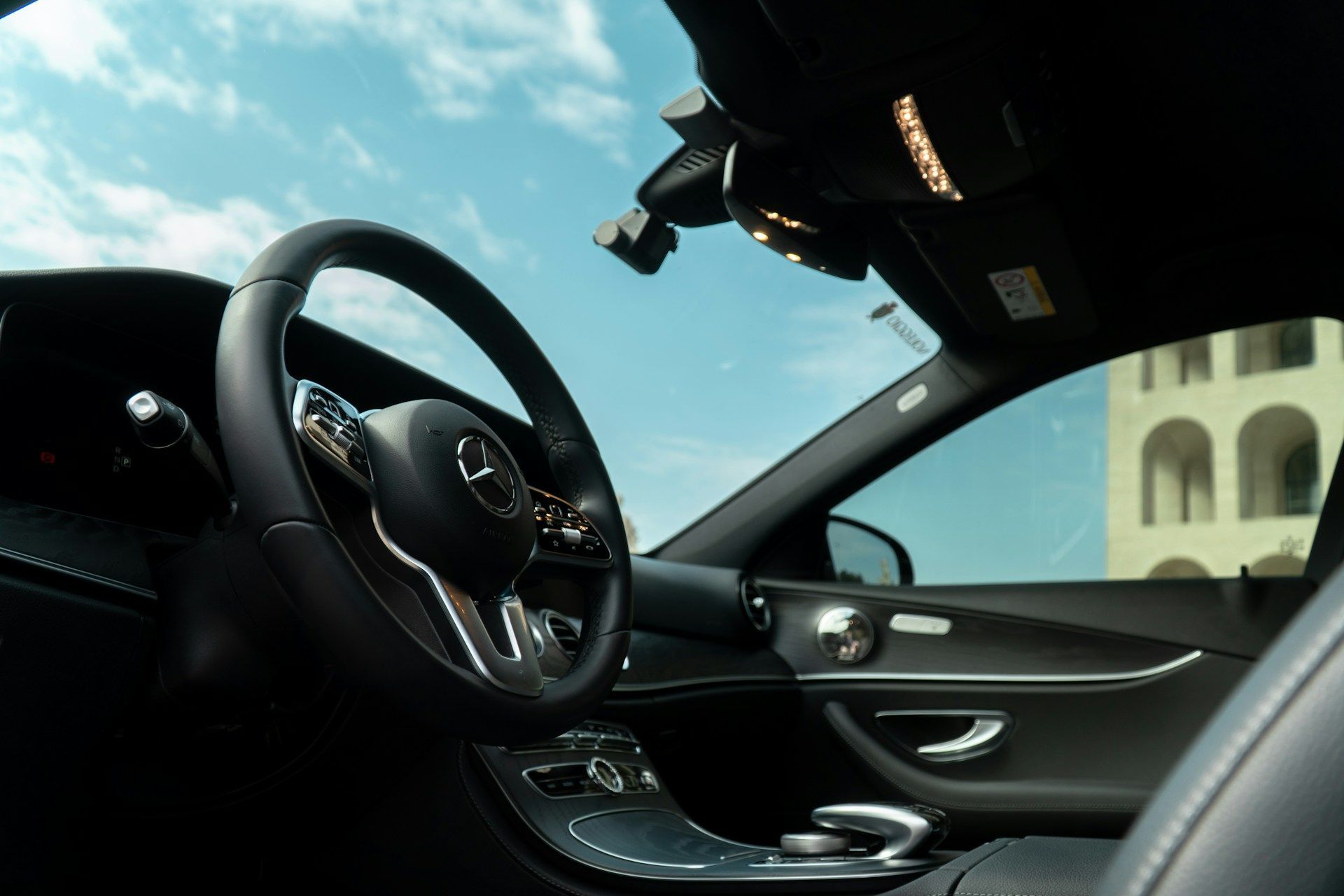
Ceramic window film is different from basic dyed film or shiny metallic film. It is built to block a big chunk of infrared heat and UV rays while staying low on reflectivity. That low reflectivity is helpful at night and on wet roads, because you do not get that harsh mirror-like shimmer.
Some key comfort perks of ceramic film in Central Florida traffic include:
- Faster cool-down after your shift, so you are not sitting in a rolling oven
- Less strain on your AC in stop-and-go traffic on I-4 or 408
- Less radiant heat burning your arms through the side glass
For your eyes, ceramic tint softens sharp light instead of just making everything dark. It cuts down dashboard reflections that bounce into the windshield and keeps the contrast inside the car more even as you move from shade to open sun. That smoother light change can help your eyes adjust faster when you exit a garage, parking structure, or covered lot.
With quality ceramic options like the LLumar films we work with, you do not have to choose between legal VLT and performance. You can stay within Florida limits and still gain real heat and glare reduction.
Eye-Strain Hacks for Night, Dawn, and Dusk Drives
Tint is a big help, but your habits matter too, especially when you are tired from a long shift. A few simple tricks can reduce eye strain on top of your ceramic setup.
Good habits include:
- Keeping the windshield spotless inside and out to avoid haze halos around lights
- Adjusting your seat height so the sun hits the visor and windshield strip, not your eyes
- Tilting mirrors slightly to move bright reflections out of your direct line of sight
- Using the visor with the windshield strip instead of only one or the other
If you often drive home in full darkness or heavy rain, it can be smart to keep the front windows on the lighter side of the legal range. You can then lean on stronger ceramic film on the rear and back glass for daytime heat defense. This mix keeps your forward vision open while still making the cabin feel cooler.
It also helps to support your eyes in other ways. Polarized sunglasses during sunrise and sunset can cut road and hood glare. Short micro-breaks on longer commutes, where you relax your eyes for a minute, can calm that tight, squinty feeling. Pay attention to signs like frequent squinting, dry eyes, or headaches. They often mean your eyes are working too hard and your setup or habits may need a tweak.
Build Your Ideal Shift-Worker Tint Setup in Winter Park
Every shift schedule and route around Orlando is a little different. The best tint setup for a night nurse is not always right for a tech who leaves work at sunset or a driver facing eastbound toll roads at dawn. When you bring details like your usual route direction, shift times, parking situation, and vehicle type to Winter Park Tint & Paint Protection, we can help match ceramic films and legal VLT levels to your actual daily drive.
As a LLumar SelectPro dealer in Winter Park, we have access to advanced ceramic film options and clear specs for Florida rules, plus the installation experience to keep your view clean and distortion-free. A thoughtful, commuter-focused ceramic heat rejection window tint setup can turn those bright, tiring shift-change drives into calmer, more comfortable trips, no matter which way the sun is facing you.
Get Started With Your Project Today
Take the next step toward a cooler, more comfortable home with
Winter Park Tint & Paint Protection. Explore how our
ceramic heat rejection window tint can help reduce glare, protect interiors, and improve energy efficiency. We will walk you through your options, answer your questions, and recommend the right solution for your windows.
Reach out today so we can help you plan a tint package that fits your goals and budget.