Orlando Paint Damage Washing Can’t Prevent: When Only PPF Makes Sense
Stop Chasing Swirl Marks: Why Washing and Waxing Can’t Save Your Paint
Regular washes, fresh wax, maybe even a ceramic coating, yet new rock chips keep showing up on the front bumper. Bug stains appear on the hood after a weekend drive. The lower doors feel rough from tiny sand specks. This is normal for an Orlando driver, even one who cares a lot about keeping a car clean.
Soap, sealants, and coatings protect against dirt, water spots, and sun. They help the paint look glossy and stay easier to clean. But they are still just thin layers sitting on top of your clear coat. They do not stop tiny rocks flying off a truck on I-4. They do not block grains of sand pushed across your front end at highway speeds. They cannot take a hit from a door in a tight parking space.
There comes a point where you are not dealing with “dirty paint” anymore. You are dealing with physical impact and abrasion. At that point, only a real physical barrier, like paint protection film (PPF or clear bra), makes sense if you want long-term protection.
That is where paint protection film in Orlando fills the gap that washing, waxing, and DIY detailing cannot cover on their own.
Orlando’s Harsh Reality: Damage Washing and Waxing Will Never Prevent
Driving around the Orlando area is hard on paint, even if you baby your car. Cleaning helps, but it does not stop this kind of damage.
Daily highway abuse on I-4, 408, and beach runs creates problems you simply cannot wash away:
- Rock chips from loose gravel, road work zones, and trucks
- Sand blasting on lower bumpers and rocker panels during highway and coastal trips
- Fine “road rash” that builds up on mirror caps, fenders, and lower doors
These marks are not just in the wax or on the surface. They are tiny cuts into the clear coat and, sometimes, down into the basecoat. Once the paint is missing, no soap or wax can put it back.
Florida bugs and bird droppings add another layer of trouble. In warm sun, bug guts and droppings can start to etch into clear coat in a short time. Even if you wash your car often, it only takes one hot afternoon for that to happen. Wax and ceramic coatings can slow the staining, but once that acid sits and bakes, etching is hard to remove without polishing or repainting.
Then there is parking and daily contact. High-touch areas like:
- Door edges
- Trunk ledges
- Door cups behind the handles
- The top of the rear bumper where you load stuff
These spots pick up light scratches from bags, kids’ bikes, pets, keys, and just brushing by the car. Soft hits in parking lots, like another bumper rubbing yours while someone parks, can leave scuffs or paint transfer. Again, great washing and waxing habits will not stop those impacts from reaching your paint.
When Only PPF Makes Sense: Clear Bra vs. Wax, Coatings, and DIY
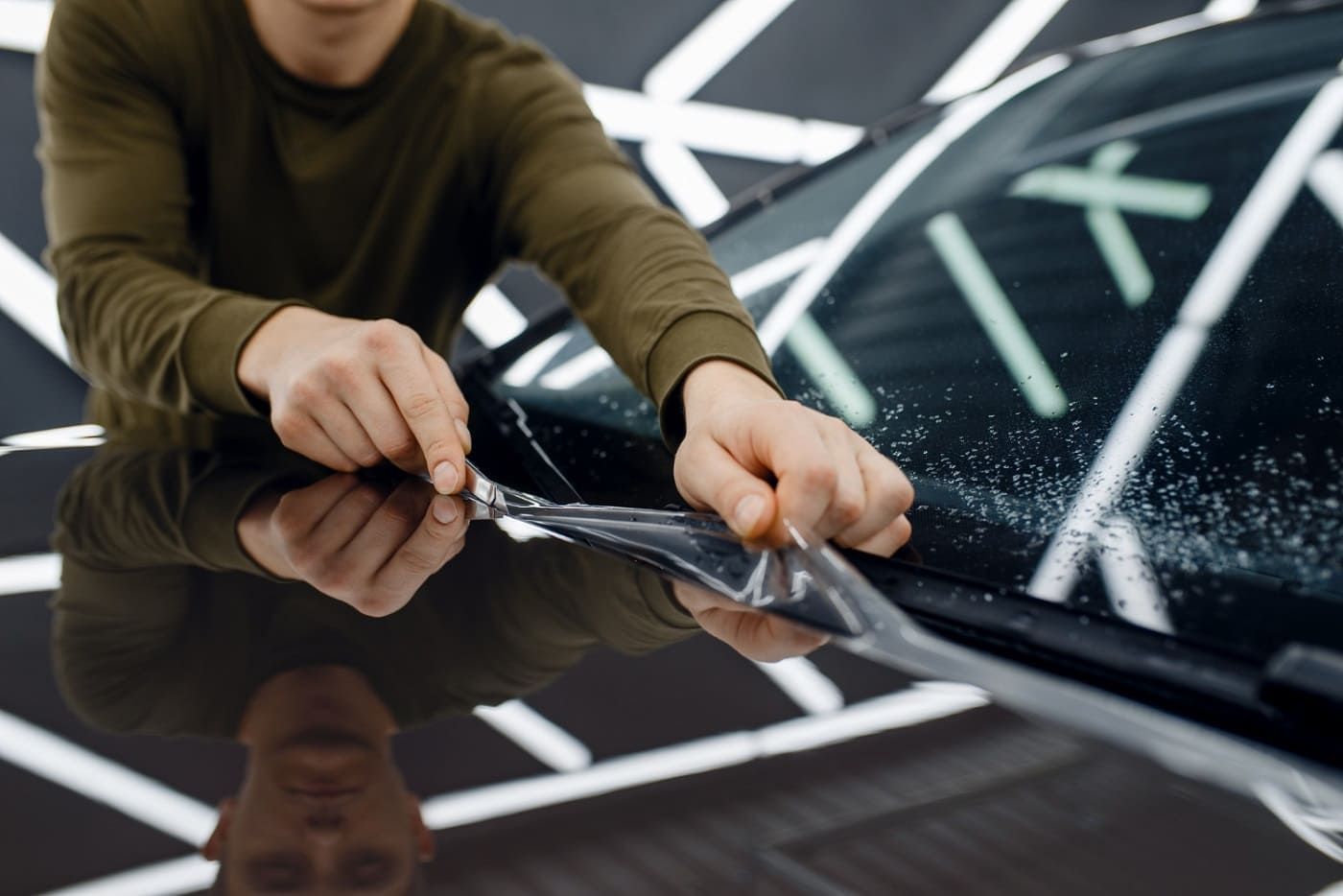
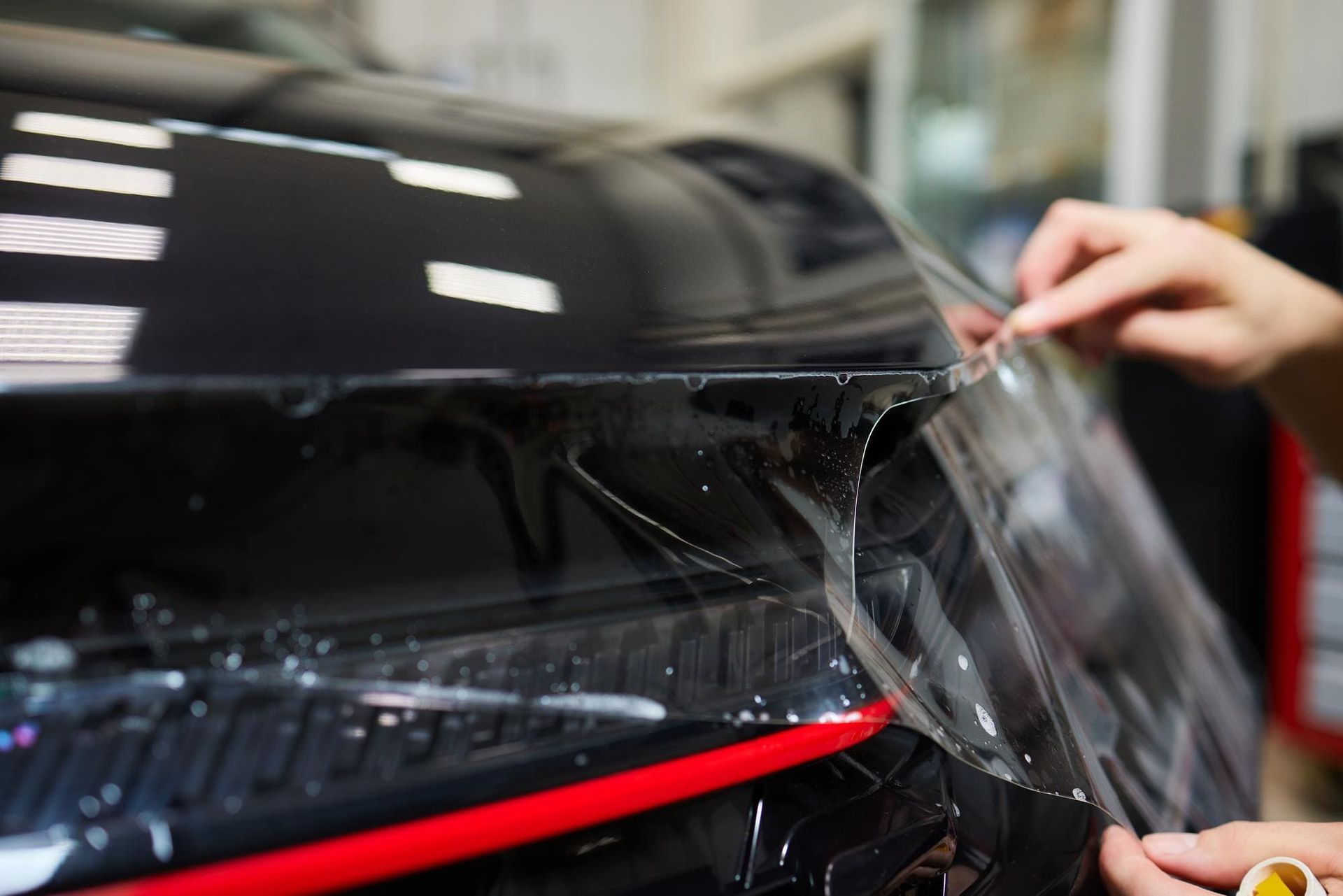
So what does PPF actually do that traditional products cannot? Paint protection film is a clear, thick, flexible layer that sits on top of your paint. It acts like a shield, taking the abuse so your paint does not have to.
Modern clear bra is:
- Thick enough to absorb rock chips and sand impacts
- Self-healing in many cases when light marks warm up in the sun
- Optically clear, so your paint color still shows through
- Able to add gloss and a deep, wet look to the surface
You do not need to wrap the whole car to see a big difference. Many Orlando drivers choose high-impact zones such as the front bumper, hood, fenders, mirror caps, and rocker panels. These are the areas that take the most hits on highways and during trips to the coast or theme parks.
Waxes, sealants, and ceramic coatings are still great. They help with:
- Shine and gloss
- UV resistance
- Hydrophobic behavior so water and dirt slide off more easily
But their film thickness is very small compared to PPF. They act more like sunscreen and less like a helmet. Even a professionally detailed, coated car can collect chips and bug etching on areas that are not covered with paint protection film.
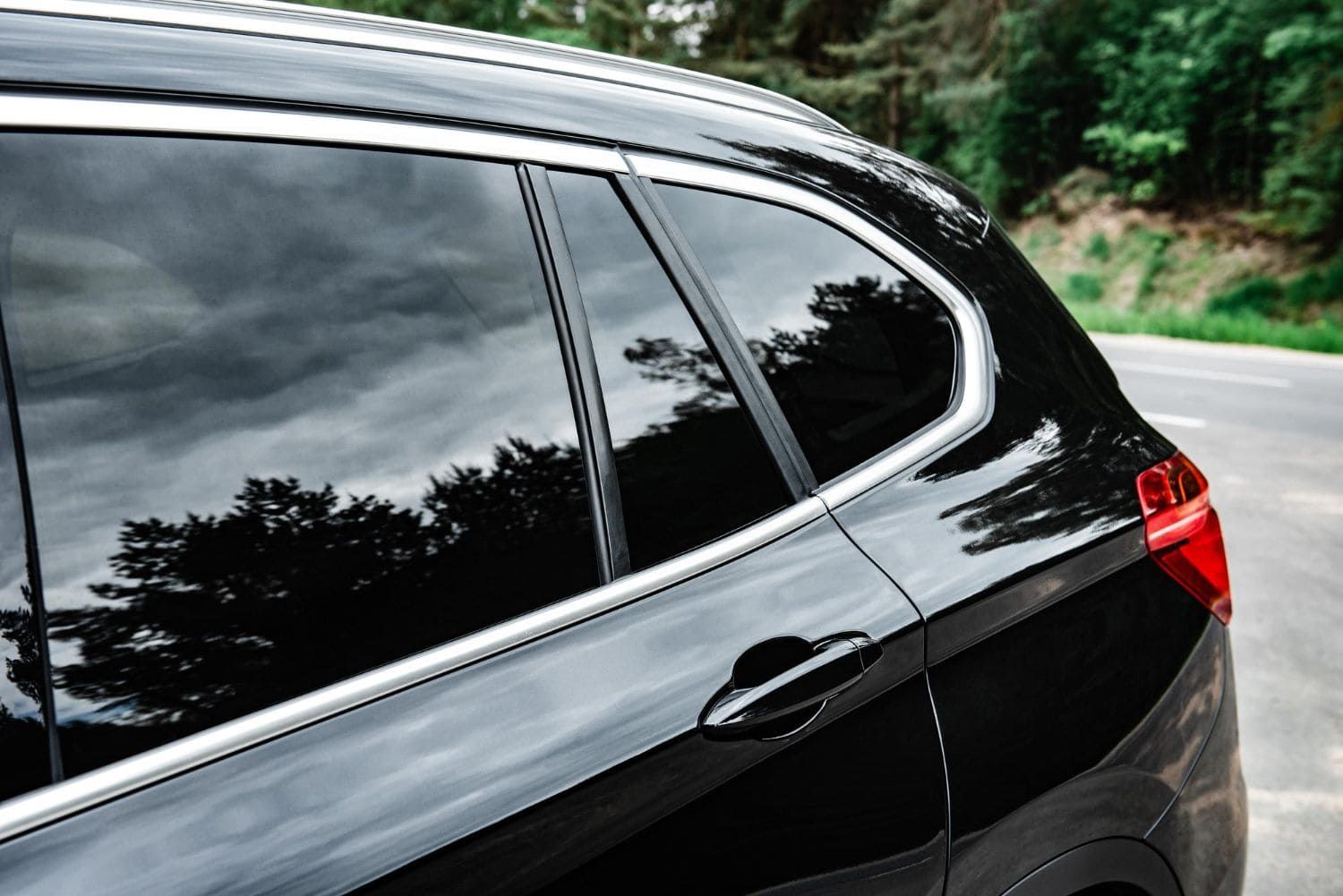
Drivers who are serious about long-term care often pair PPF with professional auto window tinting. Tint cuts heat, glare, and interior fading, while PPF shields the outside from chips and abrasion. Together, they help create a protected bubble around your car, inside and out.
DIY Vs. Professional Protection: Knowing When You’ve Hit the Limit
There is nothing wrong with caring for your own car. Regular home care can go a long way. DIY is great for:
- Routine washing with good technique
- Quick removal of bugs and bird droppings
- Light claying as needed
- Spray waxes or basic ceramic sprays for some extra slickness
These steps help keep your paint clean and glossy. They support any professional work you choose later. But they still do not create a thick, impact-ready layer like paint protection film in Orlando.
DIY PPF kits and cheap clear bras are where things often go off track. Without pro tools and training, it is common to see:
- Visible edges and seams that stand out
- Trapped dirt or bubbles under the film
- Silvering and stretch lines from overworking the material
- Poor coverage that leaves key areas exposed
Lower quality films may yellow or crack early. Bad prep or rough removal can even harm soft clear coats. What started as a money-saving DIY project can end up making the car look worse or needing correction work.
Working with a professional installer changes what is possible. A pro has the lighting, tools, and software-cut patterns to handle complex bumpers, grilles, and headlights. The film can be laid down smoothly, with smart coverage, clean edges, and a finish that blends in instead of shouting “I have a clear bra.”
A pro can also help plan how to combine PPF with window tint, so you get a matched setup that fits how and where you drive in Orlando.
Orlando Driver’s Decision Checklist: Is it Time for PPF and Pro Tint?
Not sure if paint protection film is right for you? A simple checklist can help you decide.
Ask yourself:
- Do you see new rock chips every few months on your front bumper or hood?
- Do you drive highways like I-4 and 408 most days?
- Do you take beach or coastal drives where sand and salt are in the air?
- Do you park outside in full sun or near trees and power lines?
Think about your vehicle too. Great PPF candidates include:
- New cars you want to keep looking new for years
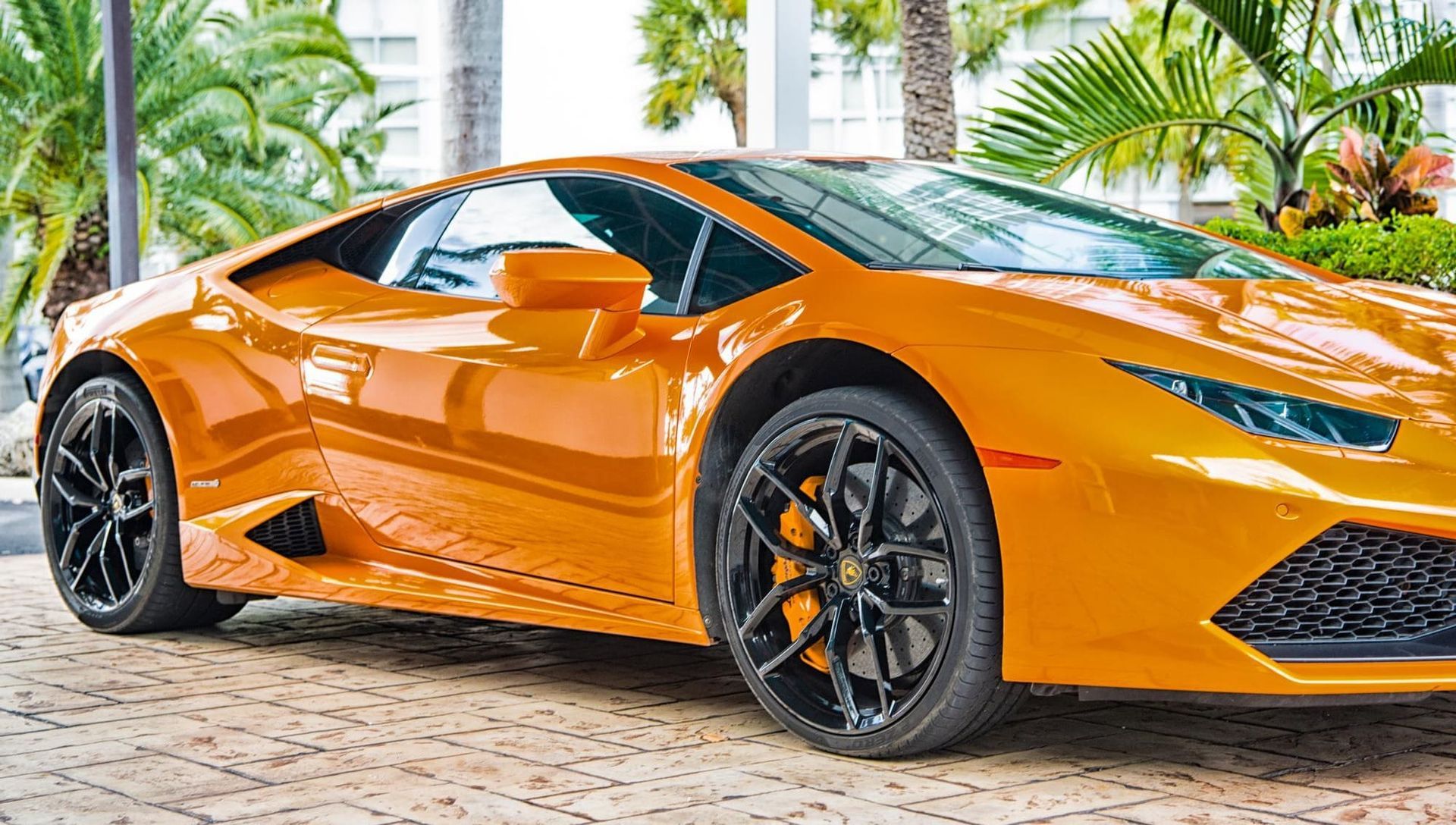
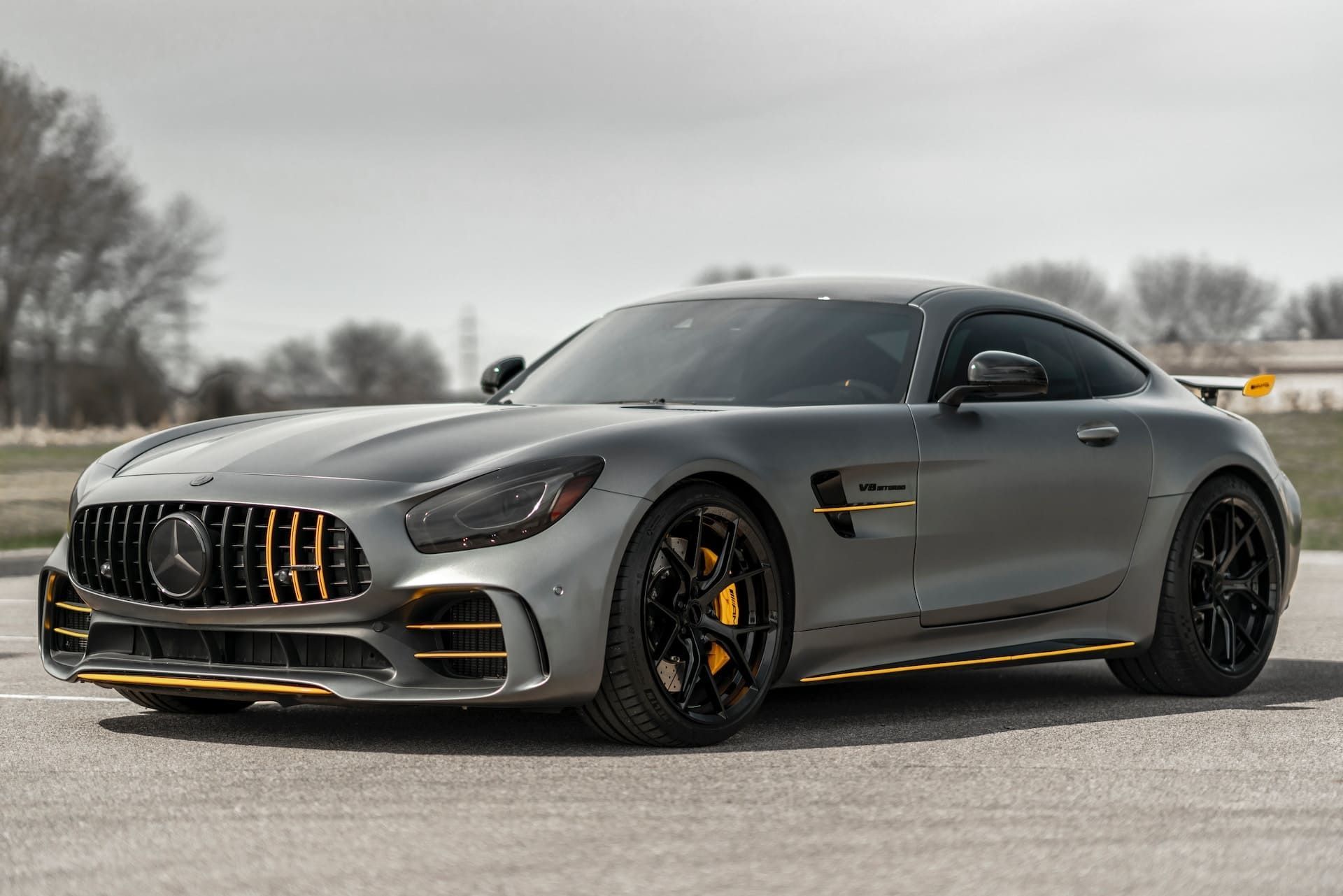
- Luxury vehicles and sports cars
- EVs and Teslas with large, smooth front ends
- Daily drivers you plan to keep for the long term
PPF is an investment in your factory paint. Repainting bumpers or fixing hood chips often means time without your car, blend work on nearby panels, and paint that may never match factory quality exactly. Protecting the original finish can help with pride of ownership and can support resale or trade-in value later.
If you are noticing chips, bug etching, or scuffs already, take a slow walk around your car. Look closely at the front, mirrors, rocker panels, and door edges. Many Orlando drivers are surprised by how much early damage they see once they really look.
Winter Park Tint & Paint Protection focuses on professional auto window tinting and paint protection film for drivers in the Orlando area. When you are ready to step beyond what washing and waxing can do, pairing PPF with expert tinting can give your car the kind of long-term protection that daily driving here really demands.
Protect Your Vehicle’s Finish With Long-Lasting Coverage
If you are ready to shield your car from chips, scratches, and road wear, our team at
Winter Park Tint & Paint Protection can help you find the right level of coverage for your needs. Whether you want full front-end protection or targeted high-impact areas, we will walk you through the best options for your driving habits and budget.
Schedule your visit today to get professional installation of
paint protection film in Orlando and keep your vehicle looking newer for longer.